A significant collection of historic gun lock research has gained a new audience thanks to the efforts of three firearms historians. The American Society of Arms Collectors (ASAC) has published the reconstructed gun lock catalog of the late S. James “Jim” Gooding.
Gooding, who died in 2012, spent decades studying antique firearms, particularly their ignition systems. His work as a researcher, author, publisher, and collector made him a respected authority in the field.
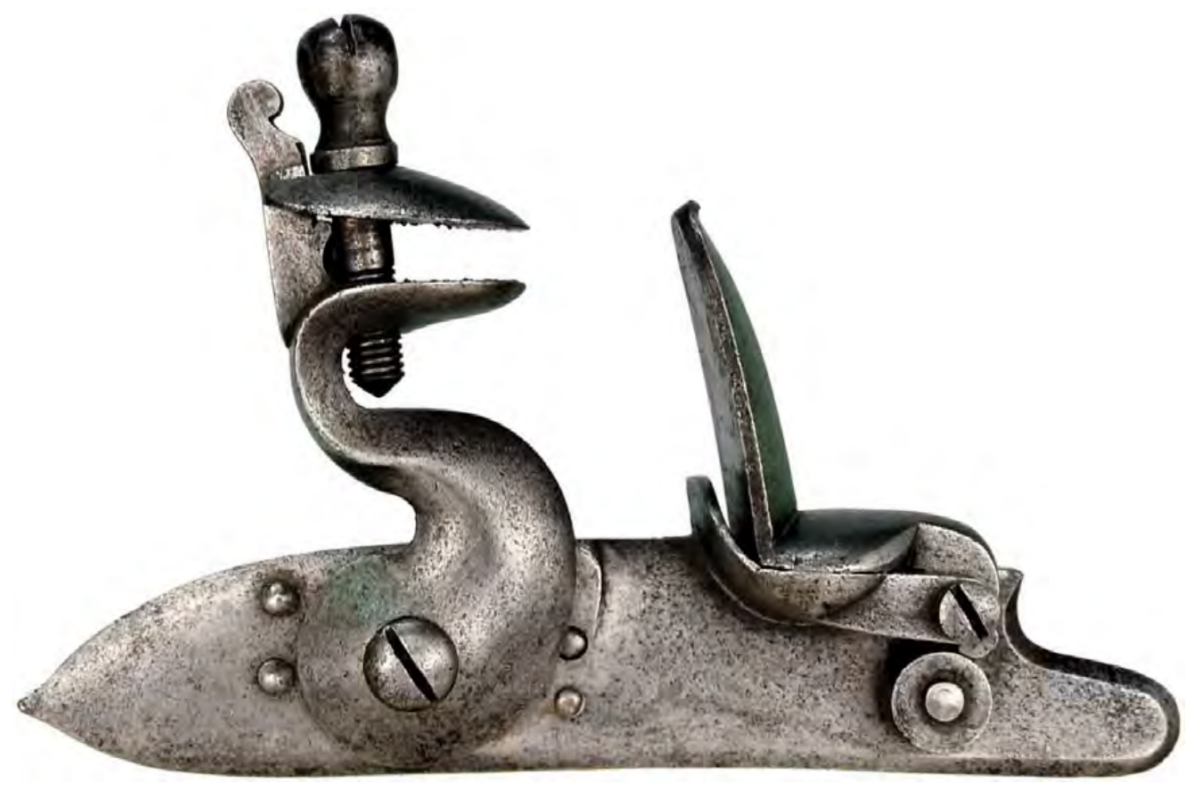
Among his interests was an extensive collection of gun locks. These mechanisms provide important evidence about the development of firearms technology, manufacturing practices, and individual gunmakers.
Gooding photographed nearly every lock in his collection and maintained a detailed catalog of their characteristics. He intended to incorporate the material into a comprehensive history of firearms ignition systems. The collection would have formed Chapter 14 of that unfinished work.
However, Gooding died before completing the project.
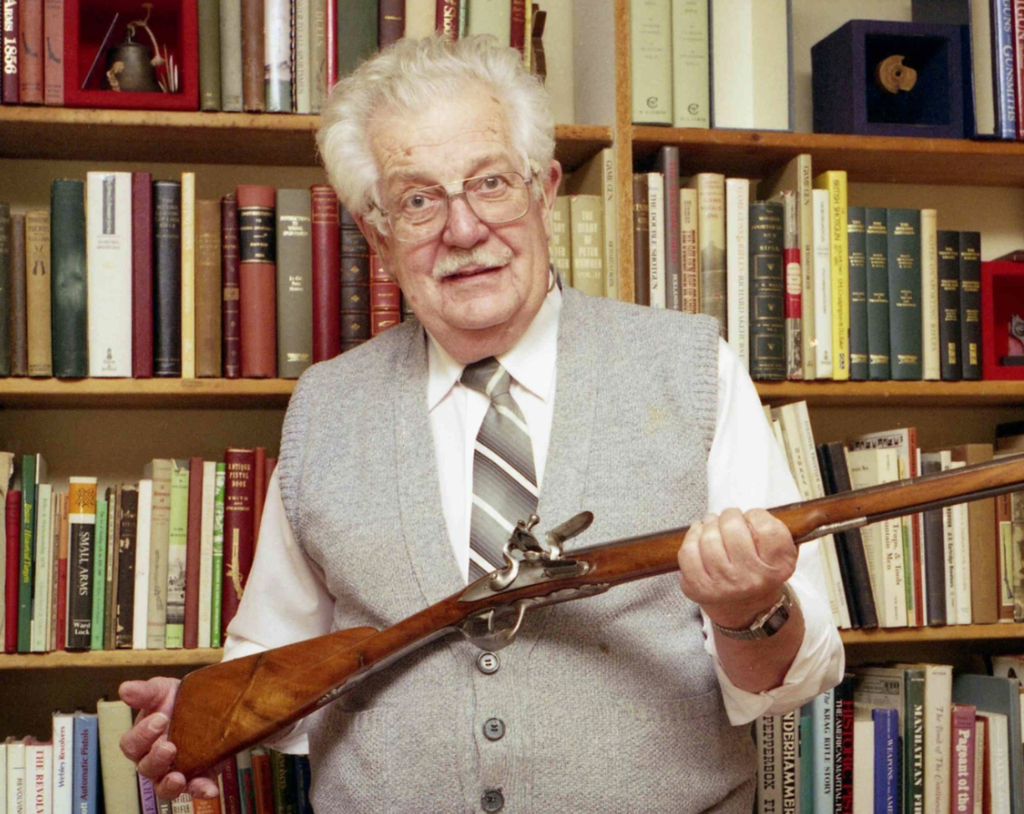
Fortunately, the photographs included numbers corresponding to entries in his catalog. Researchers Will Adye-White, Brian Godwin, and Matthew Schneiderman used those numbers to reunite the photographs with their original descriptions.
Their efforts resulted in the reconstructed Jim Gooding’s Gun Lock Collection and Catalogue, which ASAC published online in 2026.
The catalog includes detailed information about individual locks, their makers, mechanical features, and historical context.
One example is catalog number 133, a William Smith patent flintlock dating to 1828. The entry documents the lock’s markings, patent information, and the serial number of the rifle to which it was originally attached.
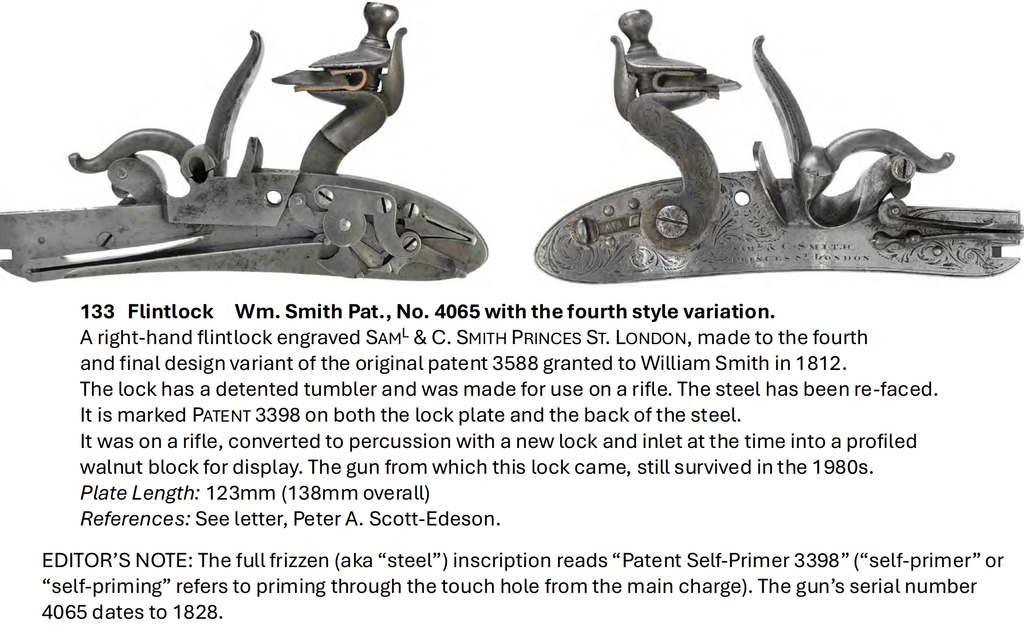
Such information can prove valuable when identifying detached locks or examining antique firearms whose original configurations are uncertain. Like other specialized firearms research, Gooding’s catalog demonstrates how original documentation can help collectors identify historical artifacts and better understand their significance.
For collectors, the catalog provides an additional reference for comparing surviving examples against documented historical specimens. It also preserves information about a specialized collection that might otherwise have become difficult to reconstruct.
The project illustrates the importance of maintaining detailed collection records. Photographs, identification numbers, and written descriptions allowed researchers to preserve Gooding’s work more than a decade after his death.
Gooding’s research continues to benefit collectors through additional publications available from ASAC. These include his unfinished history of firearms ignition systems and his scarce reference work on early percussion primers.
The reconstructed catalog is available to the public through ASAC’s online research library, providing collectors and historians with access to material that might otherwise have remained unpublished.