Tag: antique firearms

  • New Research Challenges Serial Number Identification on Rare British Firearms

    New Research Challenges Serial Number Identification on Rare British Firearms

    An examination of Isaac Riviere’s patented firearms reveals why collectors should reconsider familiar markings and production dates.

    Numbers stamped on antique firearms can reveal important information about their manufacture. However, new research suggests that markings on certain British firearms have frequently been misidentified as serial numbers.

    In February 2026, researcher Matthew Schneiderman published a study of firearms manufactured by London gunmaker Isaac Riviere. The report, available through the American Society of Arms Collectors (ASAC), examines Riviere’s unusual numbering practices.

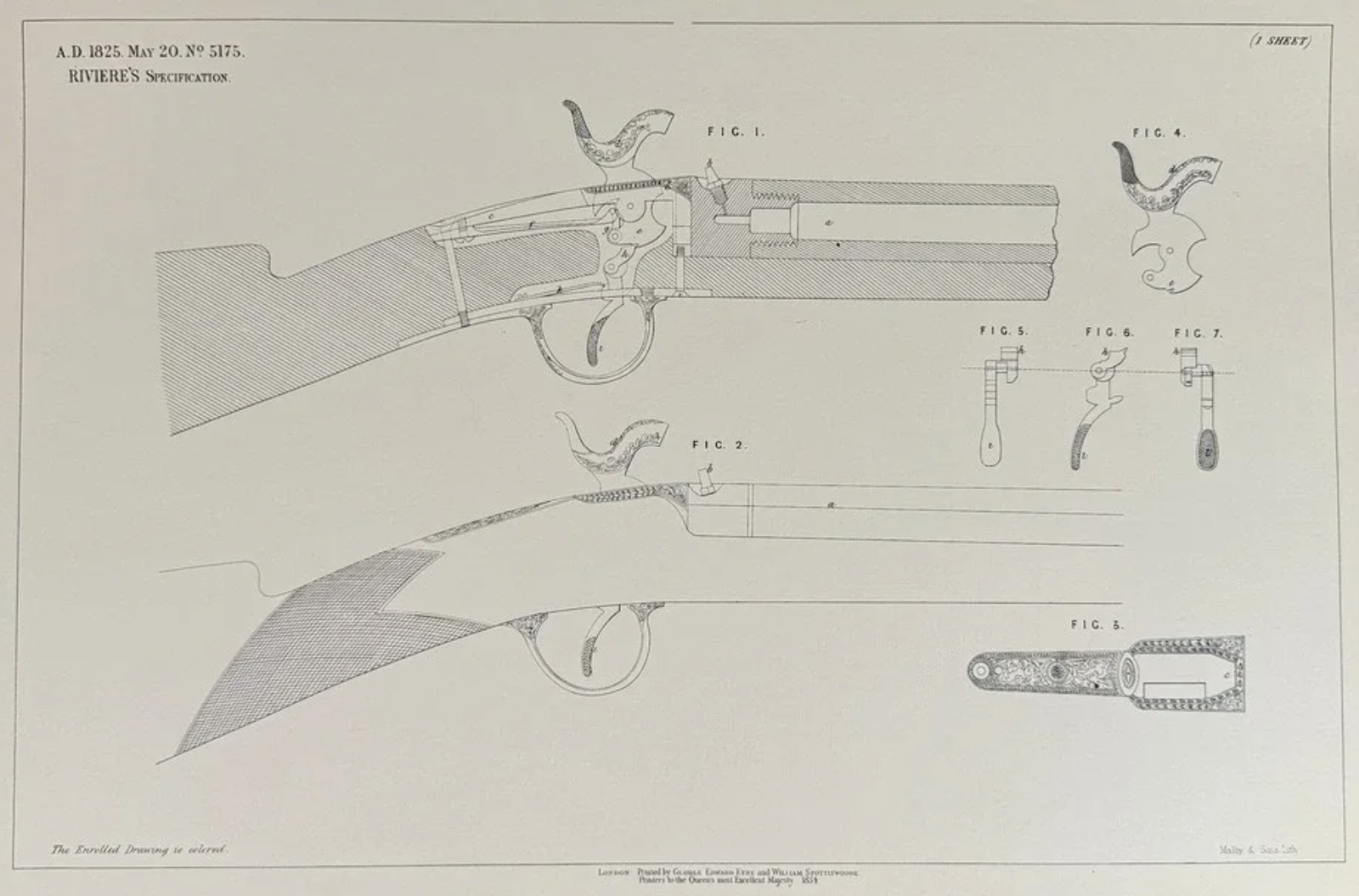
    Riviere received British patent No. 5175 on May 20, 1825, for an innovative box-lock firearm mechanism. He advertised the design as “the guns without locks,” referring to its unconventional construction.

    Surviving examples of these firearms sometimes bear markings consisting of Riviere’s name, the word “Patent,” and an individual number.
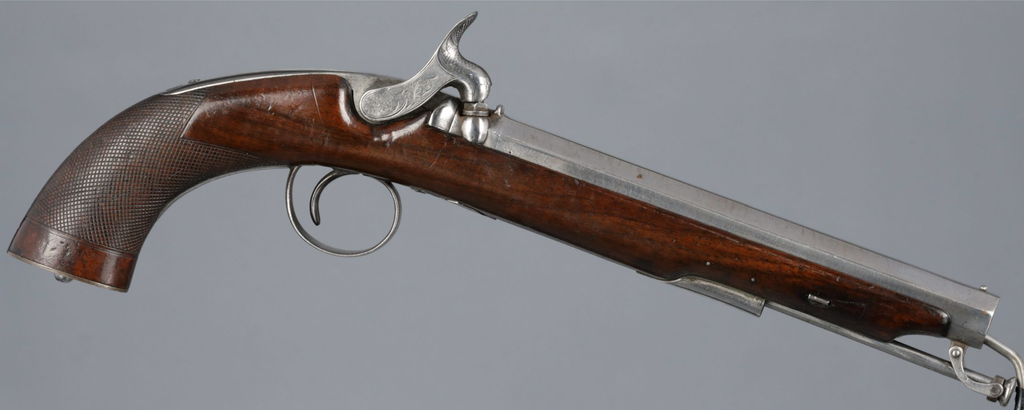
    Riviere Patent Percussion Pistol
    Riviere Patent Percussion Pistol (Rock Island Auction Company)

    Collectors and auction houses have often described these markings as serial numbers. Schneiderman argues that they served an entirely different purpose.

    His research indicates that Riviere numbered firearms incorporating his patented mechanism to track production under that patent. Other firearms bearing the Riviere name appear to lack comparable numbering.

    This distinction matters because serial numbers and patent-tracking numbers do not necessarily provide the same information.

    A manufacturer’s serial number can help establish production chronology and sometimes indicate how many firearms were manufactured. Patent-tracking numbers, however, may account for only those examples incorporating a particular patented feature.

    Schneiderman also notes that paired Riviere firearms received consecutive patent-tracking numbers rather than sharing one number.

    The study challenges another common assumption involving these firearms.

    Auction and dealer descriptions frequently date Riviere’s patented designs to approximately 1825 or 1825–1830. Schneiderman cautions that these dates often reflect the patent’s issuance rather than documented manufacturing dates.

    Without reliable production benchmarks, determining when individual examples were manufactured remains difficult.

    For collectors, these findings demonstrate the limitations of relying exclusively on markings and traditional catalogue descriptions. Similar identification challenges arise in archaeological collections, where researchers use reference materials to identify historic firearms components.

    A number stamped on an antique firearm may appear straightforward, but its original purpose can dramatically change how researchers interpret it.

    The same applies to assumptions about rarity. A numbered example cannot automatically establish total production figures when the manufacturer also produced unnumbered firearms.

    Schneiderman’s study identifies known examples and invites owners to contribute additional patent-tracking numbers.

    Those contributions could help researchers better understand surviving Riviere firearms and potentially establish more accurate production patterns.

    The complete report, Isaac Riviere Patent-Tracking Numbers (Sometimes Referred To Erroneously As “Serial Numbers”), Plus Background Information, is available through ASAC’s online research library.

    For collectors examining rare British firearms, the study offers a reminder that identification requires more than reading the numbers stamped into the metal.
  • Napoleon-Linked Flintlock Heads to Auction

    Napoleon-Linked Flintlock Heads to Auction

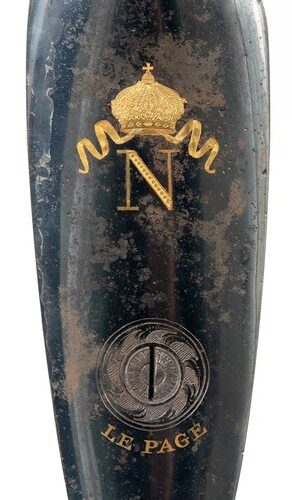
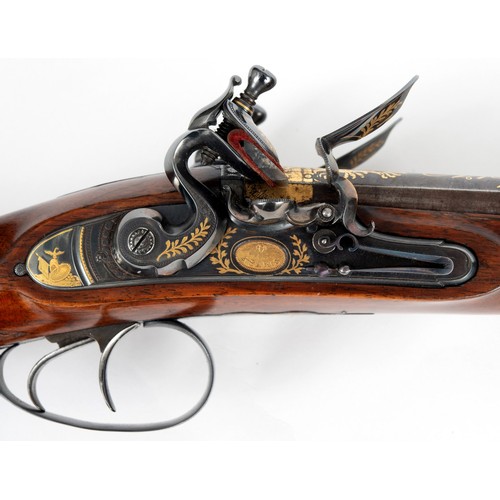
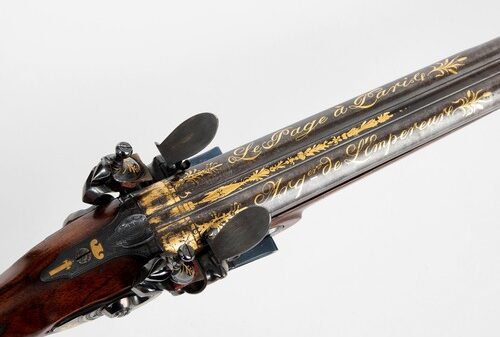
    A gold-decorated Le Page sporting gun with a claimed connection to Napoleon Bonaparte will headline Charterhouse’s November 11, 2026 sale in Sherborne, Dorset, England. The double-barrel flintlock carries an estimate of £75,000–£100,000 before fees—and an important disclosure about its history.

    According to Charterhouse’s description of lot 71, the 24-bore gun’s locks bear the date 1806 and number 816. Gold decoration includes crowned “N” monograms, eagles and bees. A horn powder flask with an imperial eagle accompanies it.

    The catalog describes the gun as having been presented to Napoleon. An additional note suggests a possible subsequent gift to a Swedish nobleman during a hunt at Fontainebleau, but states plainly: “There is no written provenance for this gun and flask.”

    napoleon barrels

    That disclosure makes the lot a useful case study in how collectors evaluate historical attribution. The decoration provides specific features to compare with documented imperial arms. Establishing who personally owned or received this particular gun requires evidence connecting the object to those individuals.

    For prospective bidders, the research questions include the earliest traceable appearance of the gun, any surviving collection inventories and the basis for the suggested Swedish connection. Those questions deserve attention alongside condition and workmanship. A distinguished maker and elaborate decoration can be assessed on their own merits; a famous owner adds a separate claim to evaluate.

    napoleon crest

    The importance of condition, originality and supporting documentation also runs through our comparison of Palmetto Armory pistols at Poulin’s.

    The sale comprises 71 lots of antique firearms and powder flasks. It begins at 10 a.m. GMT on November 11 at the Long Street Salerooms in Sherborne. Viewing is scheduled for November 9 and 10, from 9 a.m. to 5 p.m. Buyers should review the applicable premiums and fees in the auction information.

    After the sale, TCW will have follow-up coverage to see how the gun’s sale went.

  • Researchers Reconstruct Arms Historian’s Gun Lock Catalog

    Researchers Reconstruct Arms Historian’s Gun Lock Catalog

    A significant collection of historic gun lock research has gained a new audience thanks to the efforts of three firearms historians. The American Society of Arms Collectors (ASAC) has published the reconstructed gun lock catalog of the late S. James “Jim” Gooding.

    Gooding, who died in 2012, spent decades studying antique firearms, particularly their ignition systems. His work as a researcher, author, publisher, and collector made him a respected authority in the field.

    Among his interests was an extensive collection of gun locks. These mechanisms provide important evidence about the development of firearms technology, manufacturing practices, and individual gunmakers.

    Gooding photographed nearly every lock in his collection and maintained a detailed catalog of their characteristics. He intended to incorporate the material into a comprehensive history of firearms ignition systems. The collection would have formed Chapter 14 of that unfinished work.

    However, Gooding died before completing the project.

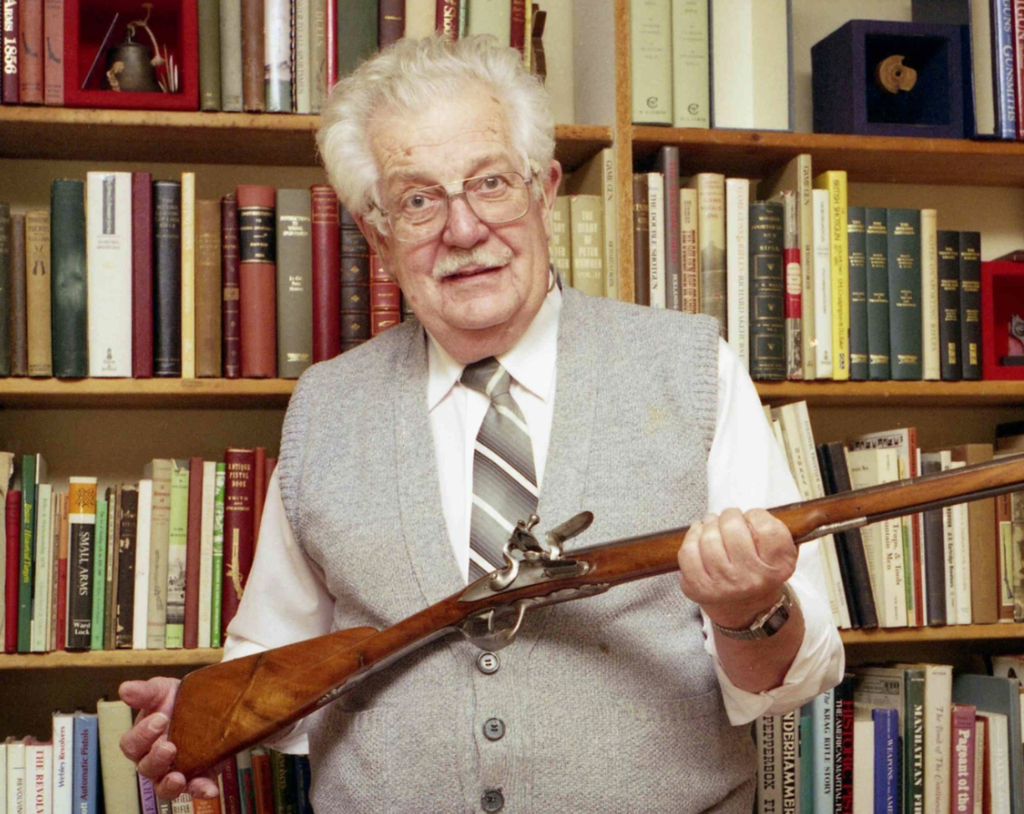
    S. James Gooding
    S. James Gooding (1930-2012)

    Fortunately, the photographs included numbers corresponding to entries in his catalog. Researchers Will Adye-White, Brian Godwin, and Matthew Schneiderman used those numbers to reunite the photographs with their original descriptions.

    Their efforts resulted in the reconstructed Jim Gooding’s Gun Lock Collection and Catalogue, which ASAC published online in 2026.

    The catalog includes detailed information about individual locks, their makers, mechanical features, and historical context.

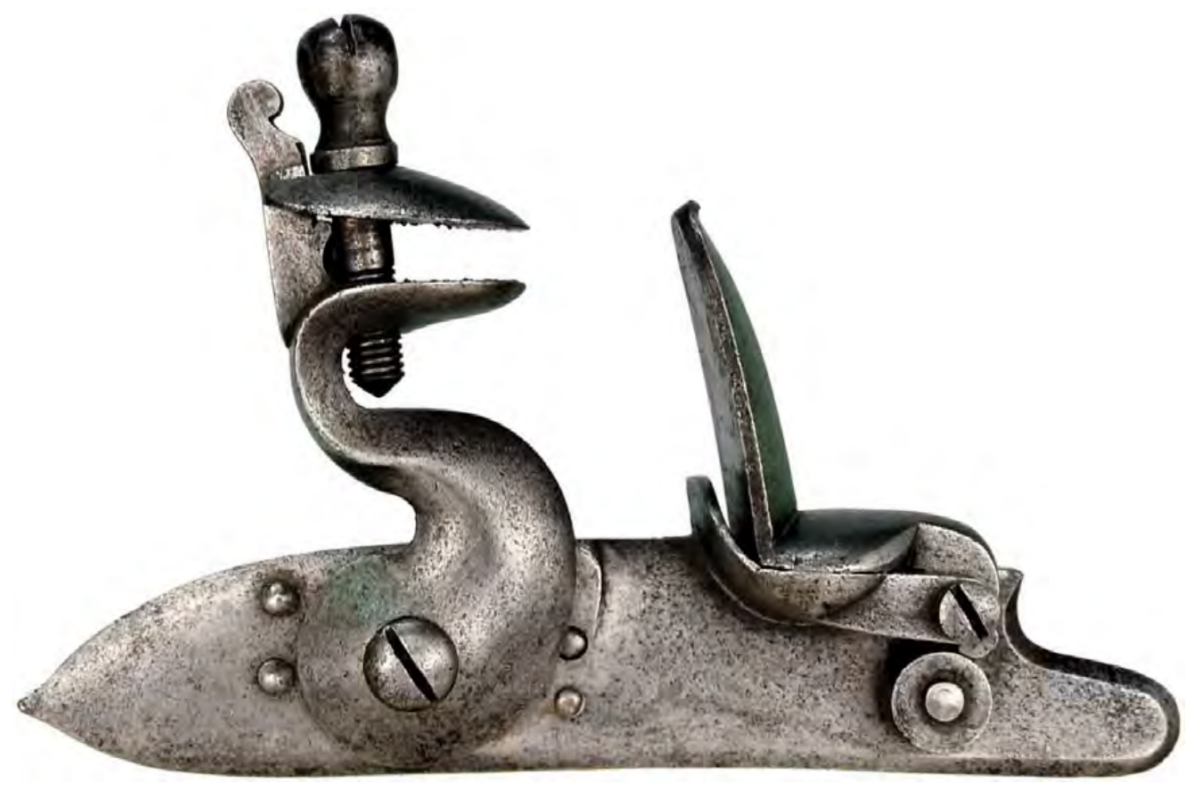
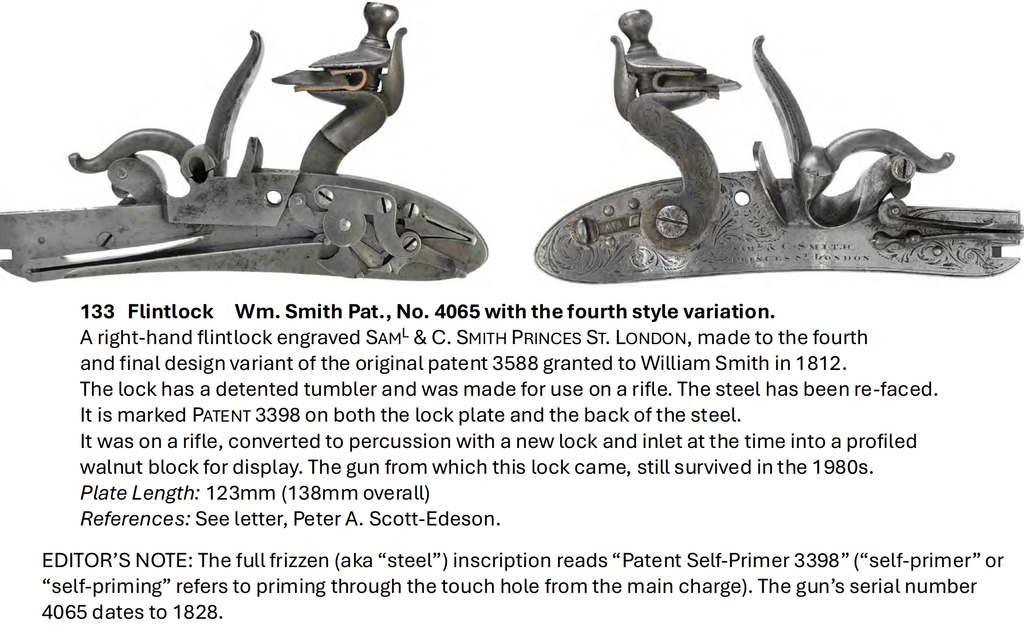
    One example is catalog number 133, a William Smith patent flintlock dating to 1828. The entry documents the lock’s markings, patent information, and the serial number of the rifle to which it was originally attached.

    flintlock excerpt
    Catalog number 133

    Such information can prove valuable when identifying detached locks or examining antique firearms whose original configurations are uncertain. Like other specialized firearms research, Gooding’s catalog demonstrates how original documentation can help collectors identify historical artifacts and better understand their significance.

    For collectors, the catalog provides an additional reference for comparing surviving examples against documented historical specimens. It also preserves information about a specialized collection that might otherwise have become difficult to reconstruct.

    The project illustrates the importance of maintaining detailed collection records. Photographs, identification numbers, and written descriptions allowed researchers to preserve Gooding’s work more than a decade after his death.

    Gooding’s research continues to benefit collectors through additional publications available from ASAC. These include his unfinished history of firearms ignition systems and his scarce reference work on early percussion primers.

    The reconstructed catalog is available to the public through ASAC’s online research library, providing collectors and historians with access to material that might otherwise have remained unpublished.

  • Wilder Museum to Showcase Antique Arms Dating to French and Indian War

    Wilder Museum to Showcase Antique Arms Dating to French and Indian War

    The Wilder Museum of the Warren County Historical Society in Irvine, Pennsylvania, will host an antique firearms display on Saturday, October 10, 2026. The free public event will feature historian and collector Brad Bogart from 1 to 5 p.m. at 51 Erie Avenue.

    Bogart’s collection includes Kentucky rifles, powder horns, knives, and tomahawks. Organizers list arms from the French and Indian War and the American Revolution among the featured material. The combination gives visitors a chance to consider early firearms alongside the equipment that accompanied them.

    Bogart began collecting antique guns in 1972 after returning from Vietnam. He has belonged to the Kentucky Rifle Association since 1984, bringing decades of collecting experience to the event.

    The display will occupy the museum’s Era-Gone-By Room, home to the Joseph DeFrees Antique Gun Collection. DeFrees was a Warren County native, inventor, and philanthropist. His collection includes Winchester rifles, a blunderbuss, and French dueling pistols. The museum’s tour guide identifies examples of the latter from the 1830s.

    The setting places Bogart’s visiting collection within a broader presentation of local history. Housed in the former Irvine Elementary School, the museum belongs to the Warren County Historical Society. It displays more than 4,000 artifacts across more than 20 exhibits.

    Firearms and military artifacts appear elsewhere in the building, too. The Military Wing covers subjects from the Revolutionary War through modern conflicts. The National Forge exhibit includes industrial equipment, military steelwork, and a 37 mm antitank gun, connecting the area’s industrial history with military production.

    For collectors, the program offers an example of how private holdings can contribute to a public museum’s educational work. Bogart’s display adds material from a collection assembled over more than 50 years. Presenting it alongside the DeFrees collection gives visitors access to the work of two collectors in one setting.

    Donations are welcome. For event information, contact the Warren County Historical Society at (814) 723-1795.