Ruger has announced sweeping changes to its firearms lineup, suspending or ending production of numerous longstanding models. The decision affects some of the company’s most recognizable revolvers, pistols, and rifles.
While the changes reflect Ruger’s evolving business strategy, they also carry significant implications for firearms collectors and the secondary market.
Ruger immediately suspended production of its LCR, SP101, GP100, and Bearcat revolvers.
Additional models will complete their final production runs by the end of 2026. These include the Blackhawk, Super Blackhawk, Vaquero, Redhawk, Super Redhawk, and Single-Series revolvers. The SR1911 pistol, No. 1 single-shot rifle, 77-Series rifles, Hawkeye, Ruger Precision Rifle, and several pistol-caliber carbines also face production changes.
Ruger emphasized that these decisions do not necessarily represent permanent discontinuations. The company may eventually reintroduce some product families with updated designs and manufacturing methods.
For collectors, the most significant developments involve Ruger’s traditional revolvers and sporting rifles.
The Blackhawk, introduced in 1955, helped establish Ruger’s reputation for durable, affordable single-action revolvers in centerfire calibers. The No. 1, introduced in the 1960s, developed a dedicated following among enthusiasts of traditional single-shot rifles.

Both platforms have extensive histories spanning numerous configurations, calibers, and special editions.
Their removal from regular production could generate renewed interest in discontinued variations, particularly those already considered scarce or desirable.
However, discontinuation alone does not guarantee increased collector value.
Production numbers, condition, originality, configuration, and existing collector demand remain the primary factors determining market prices.
Common examples produced in large quantities may see little appreciation. For example, more than two million Blackhawk revolvers have been made in the last seven decades.
Limited-production variations, unusual chamberings, and exceptionally preserved examples could attract greater attention.
The distinction between discontinued designs and discontinued generations also matters. Ruger has explicitly left the door open for future versions of these firearms.
If updated models eventually return, collectors may distinguish original-production examples from their modern replacements.
Ruger’s decision also creates an opportunity to examine the company’s place in the collector market.
For decades, Ruger firearms have occupied an interesting position between practical sporting guns and dedicated collectibles.
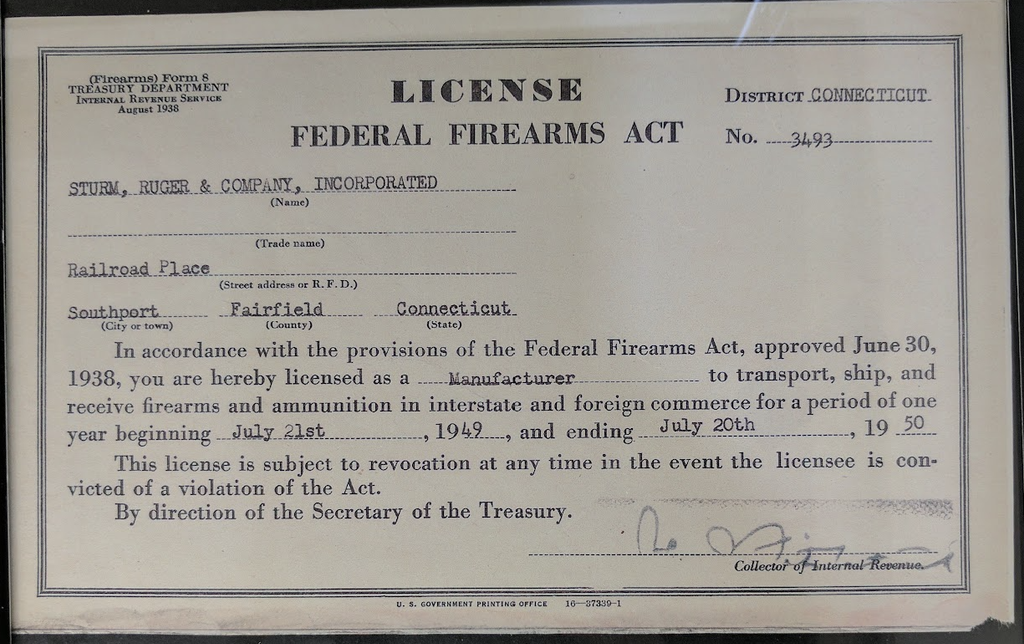
Models like the Bearcat, Blackhawk, and No. 1 have established collector followings. Meanwhile, special editions, limited chamberings, and distributor exclusives have created specialized collecting niches.
The latest announcement could expand interest in these areas as enthusiasts reconsider the historical significance of the outgoing models.
Collectors should document serial numbers, original configurations, factory packaging, and accompanying paperwork. Such details can prove especially important when distinguishing uncommon variations from standard-production firearms.
Ultimately, Ruger’s announcement represents a significant turning point in the company’s manufacturing history. While nothing has been said officially, plenty of speculation as to why this is happening how seems to coincide with Beretta’s interest in acquiring 25% of the company.
Whether it also becomes a turning point in Ruger collecting will depend on future production decisions and the secondary market’s response.
For now, collectors have a new reason to watch Ruger prices, production announcements, and upcoming auctions closely.