Tag: Ruger

  • Ruger Collectors Take Center Stage at November Tulsa Arms Show

    Ruger Collectors Take Center Stage at November Tulsa Arms Show

    Wanenmacher’s Tulsa Arms Show returns for its bi-annual event on November 14–15, 2026, with the Ruger Owners & Collectors Society (ROCS) prominently featuring their displays as questions surround the future of several discontinued Ruger models.

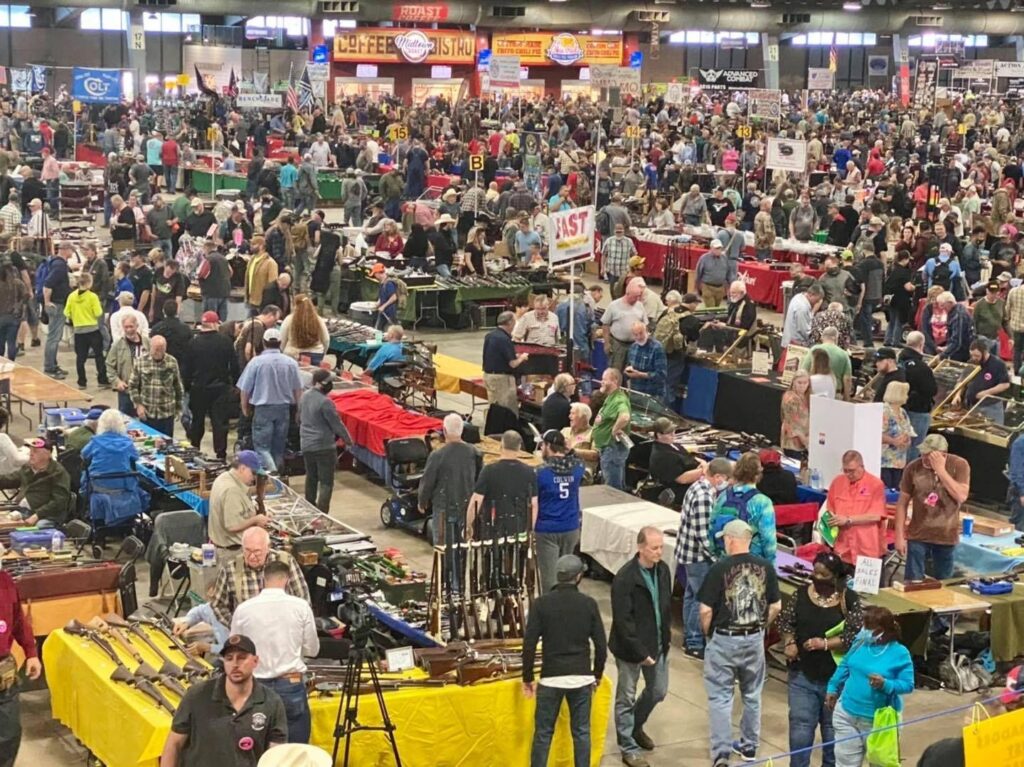
    The show will fill Tulsa’s Expo Square with more than 4,200 tables of antique and modern firearms, knives, and related collectibles. Organizers describe the event as the world’s largest gun show, occupying approximately 11 acres of indoor exhibition space.

    ROCS brings together enthusiasts interested in the history, development, and collecting of firearms manufactured by Sturm, Ruger & Co, and the collector’s club will hold its 13th annual Tulsa display show in November.

    ROCS members are encouraged to exhibit their collections in a dedicated Ruger display area. The organization also plans an awards banquet and other activities during the weekend.

    The timing is particularly interesting for Ruger collectors.

    Earlier this month, The Collector’s Wire examined Ruger’s decision to discontinue several major firearm models, including the potential consequences for collectors.

    Although discontinued production does not automatically increase a firearm’s value, it can change how collectors view particular models and variations.

    Original configurations, production numbers, mechanical differences, and surviving condition all influence collectibility. Models that receive relatively little attention while in production can develop dedicated followings after manufacturing ends.

    The Tulsa gathering offers an opportunity to examine Ruger’s history through collections assembled by knowledgeable enthusiasts.

    Collector displays can highlight rare variations, limited-production models, factory presentation firearms, and other historically significant examples. They also provide opportunities to compare firearms that collectors might otherwise encounter only in books or photographs.

    For attendees interested in Ruger history, the society’s dedicated displays could prove as worthwhile as the thousands of commercial tables.
    tulsa arms show
    Tulsa Arms Show

    Beyond Ruger, the Tulsa Arms Show will feature antique firearms, military collectibles, edged weapons, accessories, and related historical material.

    The event takes place at Expo Square, 4145 East 21st Street, Tulsa, Oklahoma.

    Doors open Saturday, November 14, from 8 a.m. to 6 p.m., and Sunday, November 15, from 8 a.m. to 4 p.m.

    Admission is $15 on Saturday and $10 on Sunday, with children under 12 admitted for $3 per day. Admission is cash only.

    Collectors can find additional information through the official Tulsa Arms Show website and the Ruger Owners & Collectors Society’s Tulsa event page.

  • Ruger’s Production Halt and Collectors

    Ruger’s Production Halt and Collectors

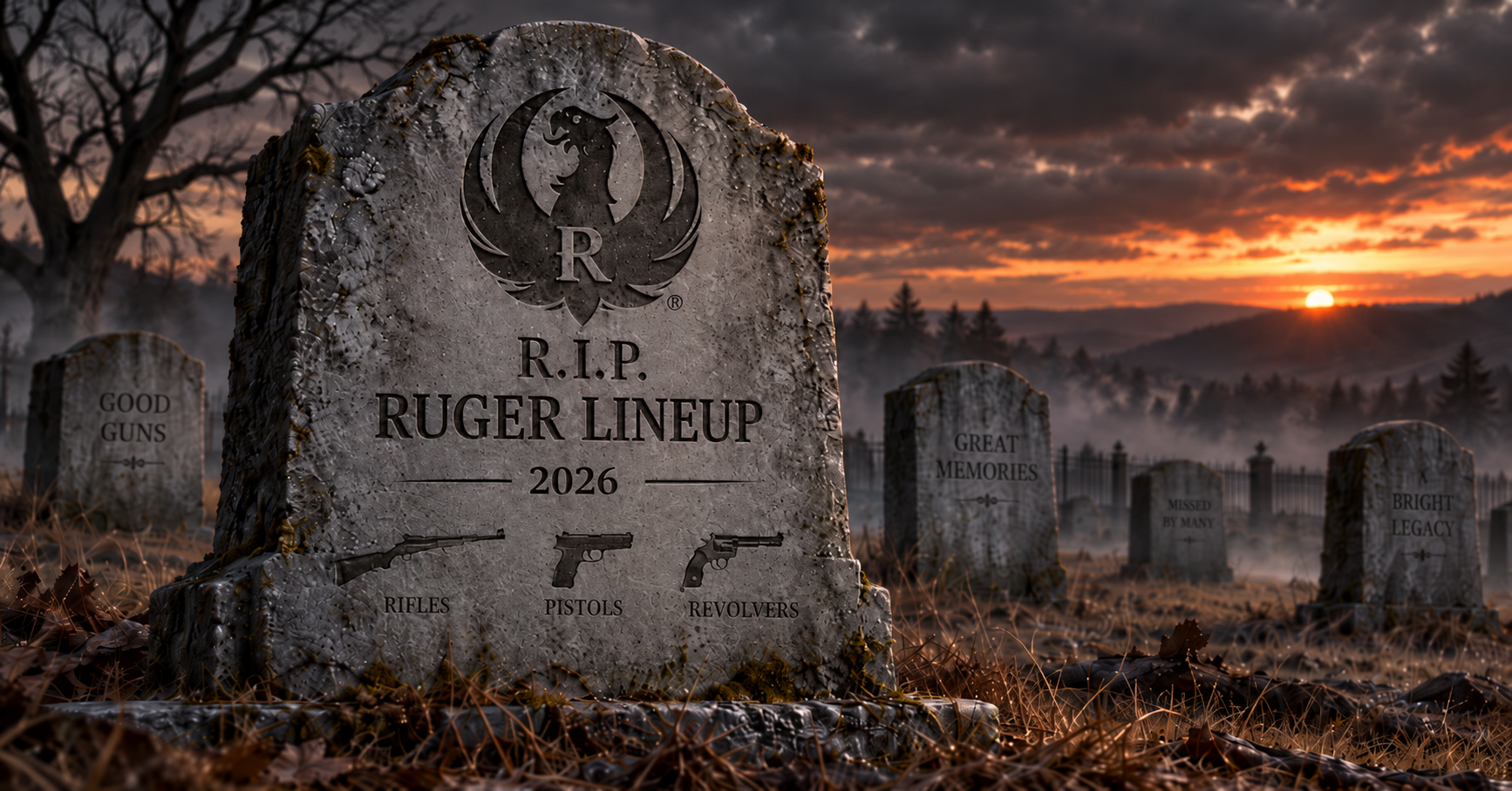
    Ruger has announced sweeping changes to its firearms lineup, suspending or ending production of numerous longstanding models. The decision affects some of the company’s most recognizable revolvers, pistols, and rifles.

    While the changes reflect Ruger’s evolving business strategy, they also carry significant implications for firearms collectors and the secondary market.

    Ruger immediately suspended production of its LCR, SP101, GP100, and Bearcat revolvers.

    Additional models will complete their final production runs by the end of 2026. These include the Blackhawk, Super Blackhawk, Vaquero, Redhawk, Super Redhawk, and Single-Series revolvers. The SR1911 pistol, No. 1 single-shot rifle, 77-Series rifles, Hawkeye, Ruger Precision Rifle, and several pistol-caliber carbines also face production changes.

    Ruger emphasized that these decisions do not necessarily represent permanent discontinuations. The company may eventually reintroduce some product families with updated designs and manufacturing methods.

    For collectors, the most significant developments involve Ruger’s traditional revolvers and sporting rifles.

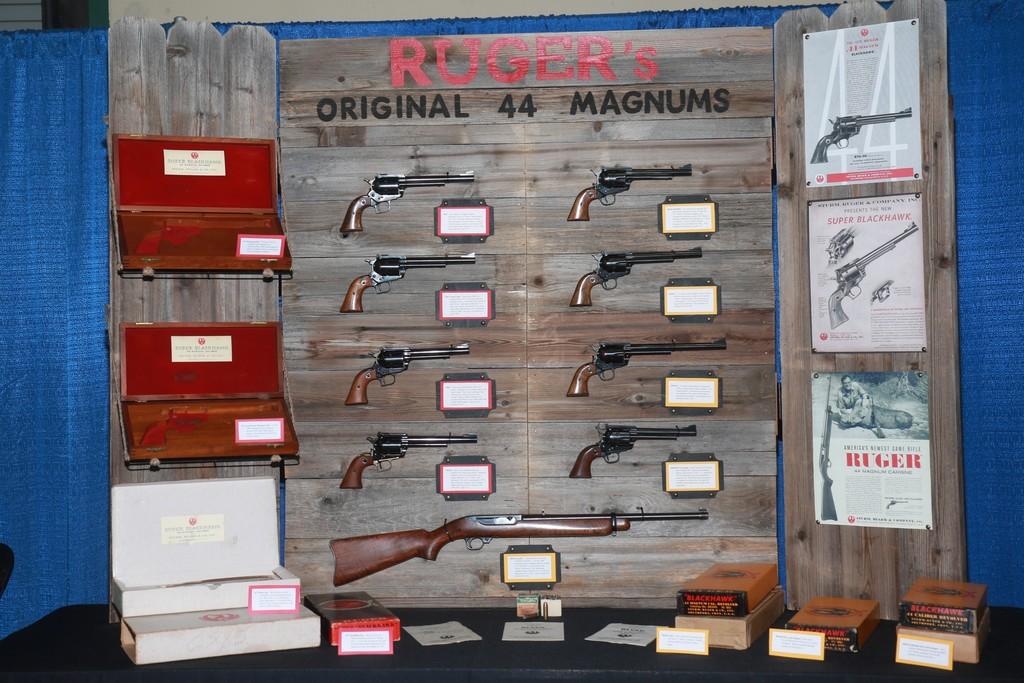
    The Blackhawk, introduced in 1955, helped establish Ruger’s reputation for durable, affordable single-action revolvers in centerfire calibers. The No. 1, introduced in the 1960s, developed a dedicated following among enthusiasts of traditional single-shot rifles.

    ruger logo

    Both platforms have extensive histories spanning numerous configurations, calibers, and special editions.

    Their removal from regular production could generate renewed interest in discontinued variations, particularly those already considered scarce or desirable.

    However, discontinuation alone does not guarantee increased collector value.

    Production numbers, condition, originality, configuration, and existing collector demand remain the primary factors determining market prices.

    Common examples produced in large quantities may see little appreciation. For example, more than two million Blackhawk revolvers have been made in the last seven decades.

    Limited-production variations, unusual chamberings, and exceptionally preserved examples could attract greater attention.

    The distinction between discontinued designs and discontinued generations also matters. Ruger has explicitly left the door open for future versions of these firearms.

    If updated models eventually return, collectors may distinguish original-production examples from their modern replacements.

    Ruger’s decision also creates an opportunity to examine the company’s place in the collector market.

    For decades, Ruger firearms have occupied an interesting position between practical sporting guns and dedicated collectibles.

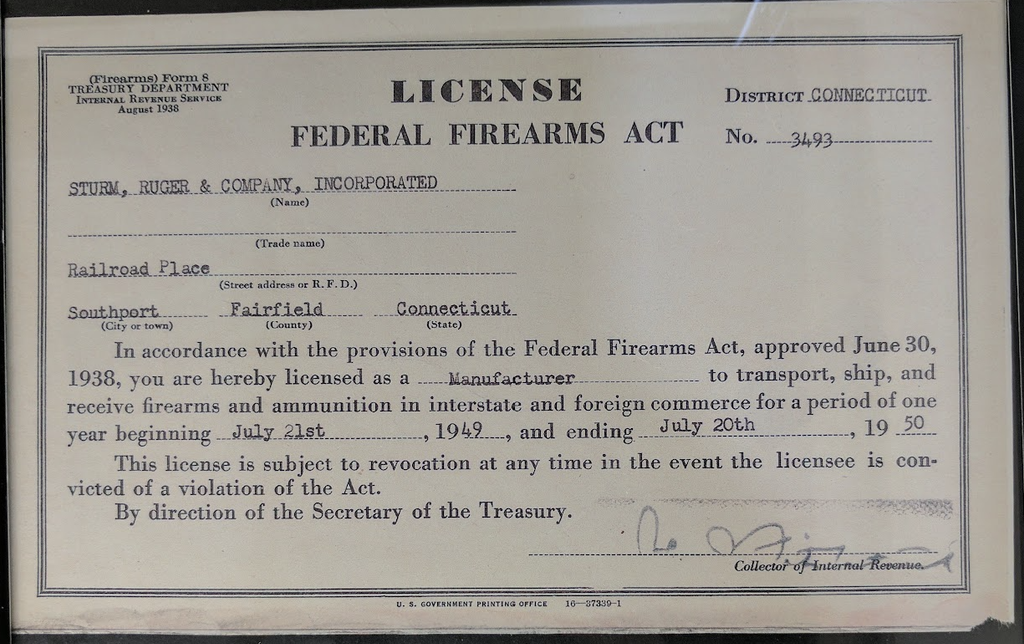
    ruger's first ffl
    Ruger’s first FFL, issued July 21, 1949

    Models like the Bearcat, Blackhawk, and No. 1 have established collector followings. Meanwhile, special editions, limited chamberings, and distributor exclusives have created specialized collecting niches.

    The latest announcement could expand interest in these areas as enthusiasts reconsider the historical significance of the outgoing models.

    Collectors should document serial numbers, original configurations, factory packaging, and accompanying paperwork. Such details can prove especially important when distinguishing uncommon variations from standard-production firearms.

    Ultimately, Ruger’s announcement represents a significant turning point in the company’s manufacturing history. While nothing has been said officially, plenty of speculation as to why this is happening how seems to coincide with Beretta’s interest in acquiring 25% of the company.

    Whether it also becomes a turning point in Ruger collecting will depend on future production decisions and the secondary market’s response.

    For now, collectors have a new reason to watch Ruger prices, production announcements, and upcoming auctions closely.

  • Beretta Moves to Raise Its Stake in Ruger to 25 Percent

    Beretta Moves to Raise Its Stake in Ruger to 25 Percent

    Beretta Holding is moving to significantly increase its investment in Sturm, Ruger & Company.

    The Italian firearms group launched a cash tender offer on September 17 for up to 2,400,184 Ruger shares. Beretta is offering $44.80 per share. If fully subscribed, the deal would raise Beretta’s ownership from about 9.9 percent to approximately 25 percent.

    The offer remains open until October 15, unless Beretta extends it.

    This is not an acquisition of Ruger. The Connecticut-based manufacturer will remain an independent, publicly traded company after the transaction.

    Beretta already owned 1,587,000 Ruger shares when it launched the offer. The additional purchase could push its total investment to roughly one-quarter of the company.

    The move follows a strategic cooperation agreement announced in May. Under that agreement, Ruger agreed to allow Beretta to increase its ownership to as much as 25 percent. The original deal also gave Beretta the right to nominate up to two independent directors to Ruger’s board.

    Federal regulators later placed limits on that board arrangement. The Federal Trade Commission said the proposed structure raised concerns about interlocking directorates between competing firearms manufacturers. The FTC accepted a proposed consent order designed to keep the two companies operationally independent.

    Under that order, Beretta may nominate Ruger directors only if those nominees remain independent of Beretta. The company must also give the FTC advance notice before making those nominations. The FTC did not block the stock purchase itself.

    Ruger announced on September 16 that the regulatory conditions surrounding the cooperation agreement had been satisfied. Its board then terminated a shareholder rights plan that had restricted Beretta’s ability to increase its stake.

    Beretta launched the tender offer the following day.

    The $44.80 offer represented about a 21 percent premium over Ruger’s closing share price on September 16. Beretta said the investment forms part of its strategy to strengthen its position in the American firearms market.

    Beretta Holding already controls a broad portfolio of firearms companies. Its brands include Beretta, Benelli, Franchi, Sako, Tikka, Chapuis, Holland & Holland, and several others. Ruger would remain outside that corporate structure even if Beretta reaches the 25 percent threshold.

    That distinction matters. Collectors should not interpret the investment as a Beretta takeover of Ruger or Marlin. Nothing in the tender offer transfers control of Ruger’s brands, factories, intellectual property, or product lines to Beretta.

    It does, however, create a much closer financial relationship between two of the firearms industry’s largest companies. Ruger also owns Marlin Firearms, which it acquired from Remington’s bankruptcy assets in 2020. That gives the situation added interest for collectors who follow historic American brands.

    Both companies also maintain strong positions in traditional sporting firearms. Beretta traces its documented history to 1526. Ruger began operations in 1949 and grew into one of America’s largest firearms manufacturers.

    The tender offer therefore links two companies with very different histories and ownership structures.

    For now, the most important date is October 15. After the offer closes, investors and collectors will have a clearer picture of how much Ruger stock Beretta ultimately acquired. That result will determine how close the Italian group comes to its 25 percent ceiling.