Tag: pistols

  • Historic Firearms Take Center Stage at Fort Lancaster

    Historic Firearms Take Center Stage at Fort Lancaster

    The Texas historic site will host its second annual Frontier Firearms program on November 21, featuring weapons from multiple periods of American military history.

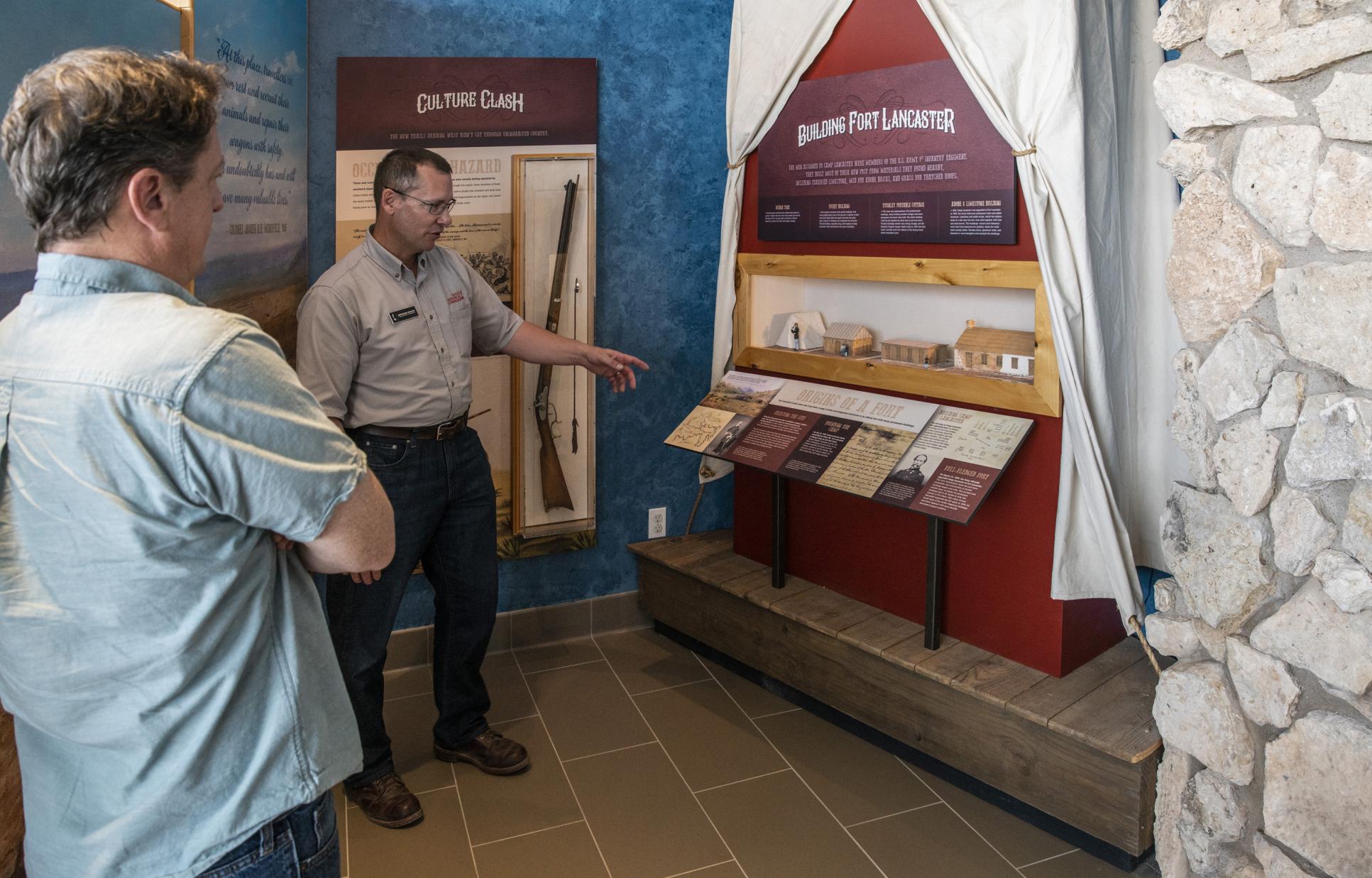
    Fort Lancaster & Battlefield State Historic Site in Sheffield, Texas, will host its second annual Frontier Firearms program on November 21, 2026, offering visitors an opportunity to examine historic firearms and explore their influence on American military and frontier history.

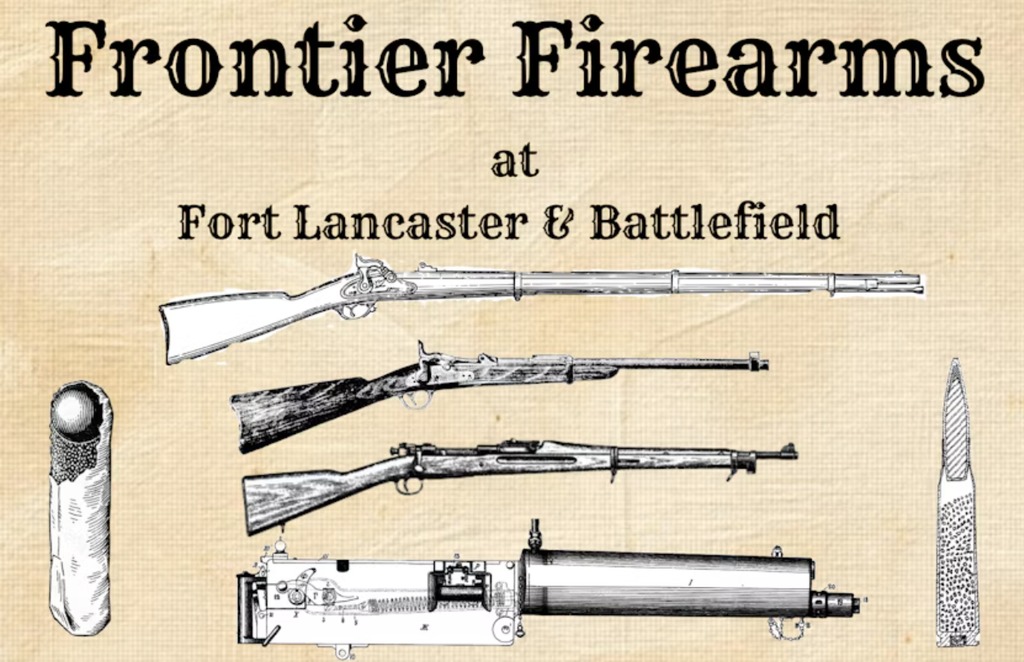
    Organized by the Texas Historical Commission, the event will feature living-history presenters and examples of historic weapons, including muskets, pistols, rifles, machine guns, and other firearms.

    The program will run from 10 a.m. to 3 p.m. and is intended to demonstrate the evolution of firearms technology while examining the role weapons played in the experiences of soldiers and civilians.
    event info

    According to the official event announcement, the program will emphasize the stories, historical significance, and technological developments associated with the weapons being presented.

    For firearms collectors, these types of programs offer an opportunity to study historic arms in a setting that connects their mechanical development with the circumstances in which they were used.

    The setting itself is particularly appropriate.

    Fort Lancaster was established in August 1855 to protect travelers along the San Antonio–El Paso Road, an important overland transportation route through West Texas.

    Originally known as Camp Lancaster, the post was formally designated a permanent fort in 1856. Its soldiers provided protection for mail carriers, wagon trains, and settlers traveling through the region.
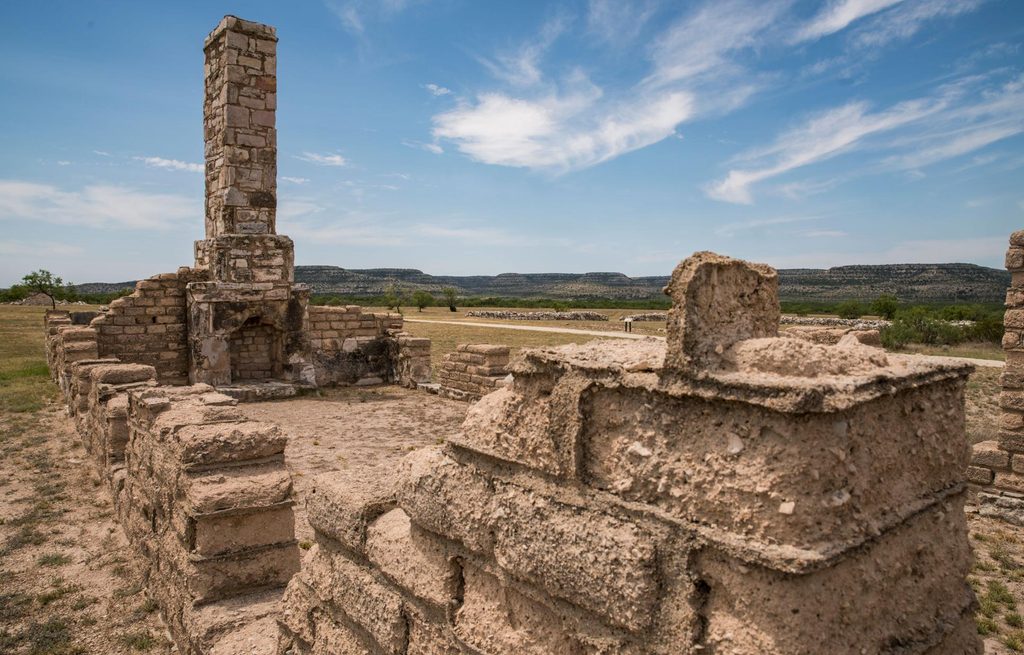
    Fort Lancaster
    Fort Lancaster

    The site also played a role in the history of the Buffalo Soldiers.

    On December 26, 1867, soldiers of Company K, 9th U.S. Cavalry, defended Fort Lancaster during a major attack. The engagement made Fort Lancaster the only U.S. Army fort in Texas to be directly attacked by Native American forces.

    Today, the historic site preserves the remains of a military installation that once contained more than 30 permanent structures, including barracks, officers’ quarters, a hospital, workshops, and other support buildings.

    Visitors can explore the surviving ruins and learn about the lives of the soldiers stationed at the isolated frontier post.

    Although Fort Lancaster is primarily associated with the mid-19th century, the inclusion of machine guns and other later firearms in the upcoming program will allow visitors to consider technological developments beyond the site’s original period of military occupation.

    TCW recently highlighted a similar approach to military history interpretation in its coverage of the Museum of the American G.I.’s History in Motion event, which featured historic weapons and military equipment demonstrations.

    Programs like these help connect surviving firearms with the people, places, and military experiences that give them historical significance.

    event info

    Frontier Firearms will take place Saturday, November 21, at Fort Lancaster & Battlefield State Historic Site, 629 Fort Lancaster Road, Sheffield, Texas.

    The event is included with regular site admission. Adult admission is $5, with reduced rates available for seniors, veterans, teachers, first responders, and children.

    Additional information is available through the Texas Historical Commission’s Fort Lancaster page and the Frontier Firearms event listing.

  • Ruger’s Production Halt and Collectors

    Ruger’s Production Halt and Collectors

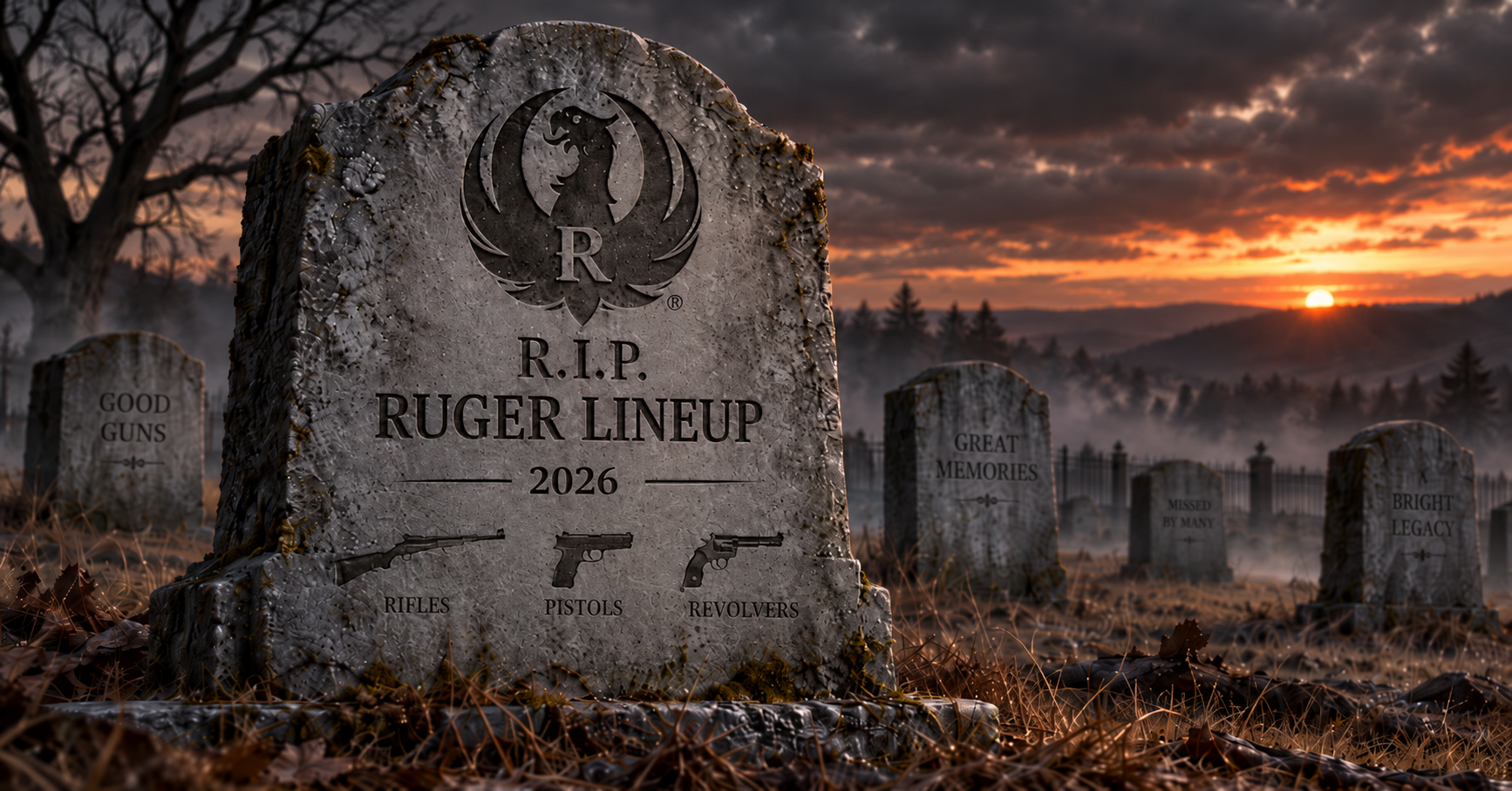
    Ruger has announced sweeping changes to its firearms lineup, suspending or ending production of numerous longstanding models. The decision affects some of the company’s most recognizable revolvers, pistols, and rifles.

    While the changes reflect Ruger’s evolving business strategy, they also carry significant implications for firearms collectors and the secondary market.

    Ruger immediately suspended production of its LCR, SP101, GP100, and Bearcat revolvers.

    Additional models will complete their final production runs by the end of 2026. These include the Blackhawk, Super Blackhawk, Vaquero, Redhawk, Super Redhawk, and Single-Series revolvers. The SR1911 pistol, No. 1 single-shot rifle, 77-Series rifles, Hawkeye, Ruger Precision Rifle, and several pistol-caliber carbines also face production changes.

    Ruger emphasized that these decisions do not necessarily represent permanent discontinuations. The company may eventually reintroduce some product families with updated designs and manufacturing methods.

    For collectors, the most significant developments involve Ruger’s traditional revolvers and sporting rifles.

    The Blackhawk, introduced in 1955, helped establish Ruger’s reputation for durable, affordable single-action revolvers in centerfire calibers. The No. 1, introduced in the 1960s, developed a dedicated following among enthusiasts of traditional single-shot rifles.

    ruger logo

    Both platforms have extensive histories spanning numerous configurations, calibers, and special editions.

    Their removal from regular production could generate renewed interest in discontinued variations, particularly those already considered scarce or desirable.

    However, discontinuation alone does not guarantee increased collector value.

    Production numbers, condition, originality, configuration, and existing collector demand remain the primary factors determining market prices.

    Common examples produced in large quantities may see little appreciation. For example, more than two million Blackhawk revolvers have been made in the last seven decades.

    Limited-production variations, unusual chamberings, and exceptionally preserved examples could attract greater attention.

    The distinction between discontinued designs and discontinued generations also matters. Ruger has explicitly left the door open for future versions of these firearms.

    If updated models eventually return, collectors may distinguish original-production examples from their modern replacements.

    Ruger’s decision also creates an opportunity to examine the company’s place in the collector market.

    For decades, Ruger firearms have occupied an interesting position between practical sporting guns and dedicated collectibles.

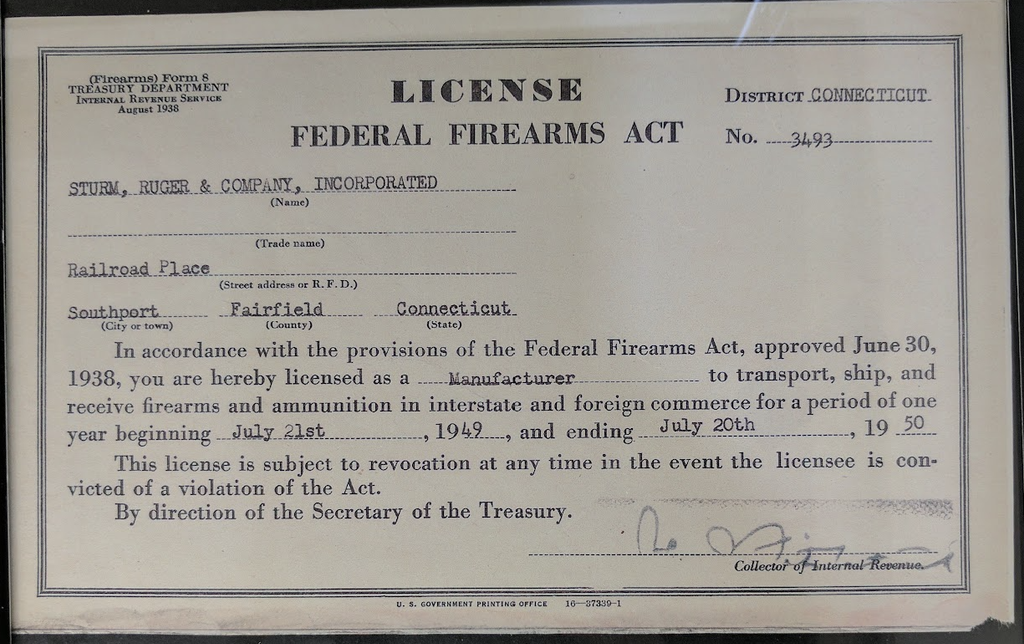
    ruger's first ffl
    Ruger’s first FFL, issued July 21, 1949

    Models like the Bearcat, Blackhawk, and No. 1 have established collector followings. Meanwhile, special editions, limited chamberings, and distributor exclusives have created specialized collecting niches.

    The latest announcement could expand interest in these areas as enthusiasts reconsider the historical significance of the outgoing models.

    Collectors should document serial numbers, original configurations, factory packaging, and accompanying paperwork. Such details can prove especially important when distinguishing uncommon variations from standard-production firearms.

    Ultimately, Ruger’s announcement represents a significant turning point in the company’s manufacturing history. While nothing has been said officially, plenty of speculation as to why this is happening how seems to coincide with Beretta’s interest in acquiring 25% of the company.

    Whether it also becomes a turning point in Ruger collecting will depend on future production decisions and the secondary market’s response.

    For now, collectors have a new reason to watch Ruger prices, production announcements, and upcoming auctions closely.