Tag: Gun Collecting

  • Fleischer’s Firearms Debut Brings Nearly $1 Million

    Fleischer’s Firearms Debut Brings Nearly $1 Million

    Fleischer’s Auctions reported nearly $1 million in combined gross sales from its inaugural firearms auctions October 20–21, 2026. Scarce military rifles, early American martial pistols, and a police-marked revolver delivered several standout results.

    The sales launched the firm’s firearms department under Director of Firearms Tim Prince. Prince also appears as an arms and militaria appraiser on PBS’s Antiques Roadshow.

    The October 20 auction offered Part 1 of the Firearms Collection of Alejandro “Alex” de Quesada, Jr. Buyers purchased all 205 lots, giving the sale a 100% sell-through rate.

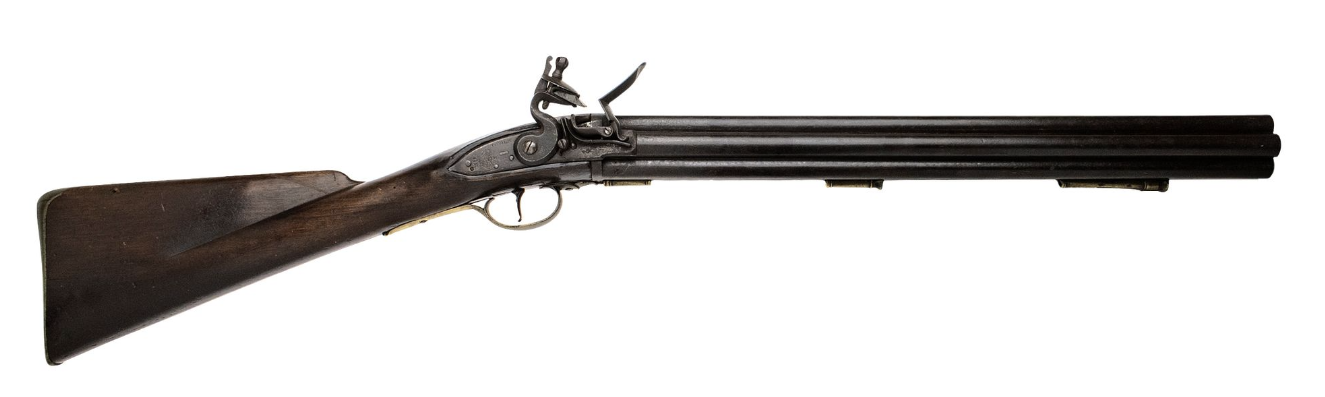
    A British Military Type I Seven-Barrel Nock Volley Gun led the day at $26,400 (shown in top featured photo). A Mauser G.41M semiautomatic rifle and an Ohio Ordnance Works M240-SLR semiautomatic rifle each brought $12,000.
    tariq pistol
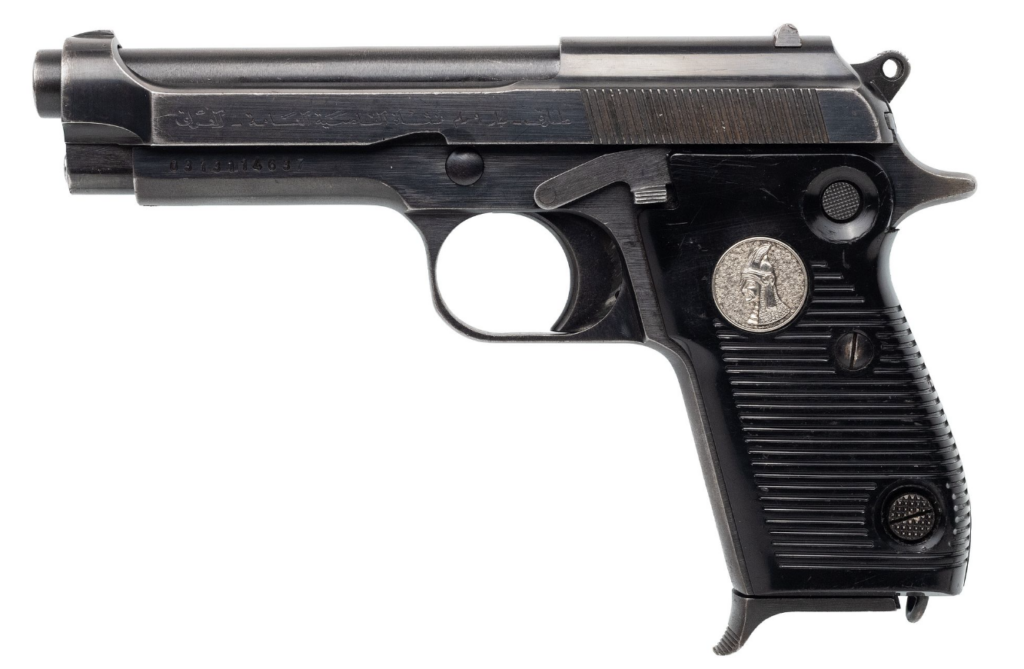
    Tariq pistol

    Several less familiar military arms attracted strong bidding. A Mondragon Model 1908 rifle brought $12,000 against a $4,000–$6,000 estimate. An Iraqi Tariq pistol reached $5,700 against expectations of $1,500–$2,500. More unusual military arms, including an MG42 and developmental Colt firearms, will appear in Poulin’s November auction.

    The October 21 multiple-consignor auction achieved a 98% sell-through rate. Two early American martial pistols from the Paul Doyle Collection produced the day’s highest reported prices.

    A U.S. Model 1813 Navy flintlock pistol by North led at $15,600, against a $4,000–$6,000 estimate. A Harpers Ferry U.S. Model 1805 flintlock pistol, dated 1807, followed at $11,400. Its estimate stood at $7,000–$10,000.
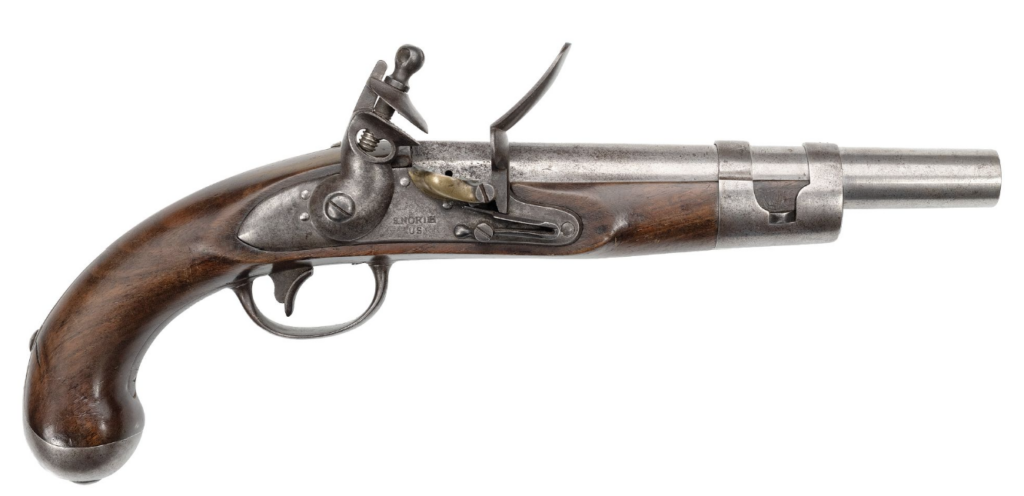
    1813 navy flintlock
    Model 1813 Navy pistol

    Collectors of American martial pistols can also follow the Palmetto Armory Model 1842 in Alderfer’s October 27 auction.

    A British Military Adams Mk III revolver in .450 centerfire supplied another notable result. Marked to the Northwest Mounted Police, it brought $4,500 against a $1,000–$1,500 estimate.

    For collectors, the results offer fresh comparisons across several specialized fields. The North, Mondragon, and police-marked Adams particularly merit attention when researching similar examples. Comparisons should account for each gun’s condition, originality, and documented markings. Several scarce military arms also exceeded estimates at Morphy’s $6.4 million September firearms sale, adding to this fall’s results for collectors to study.

    Fleischer’s has scheduled its next major firearms auctions for April 27–28, 2027. The first day will feature Part 2 of the de Quesada firearms collection. The second will offer historical, military, and collectible firearms from multiple consignors, including early twentieth-century English shotguns.

    The firm is accepting consignments for the April sales. Interested owners can contact Tim Prince at tim.prince@fleischersauctions.com or firearms@fleischersauctions.com.


  • CMP Changes 1911 Purchase Limits Again

    CMP Changes 1911 Purchase Limits Again

    Collectors interested in purchasing surplus military M1911 and M1911A1 pistols through the Civilian Marksmanship Program (CMP) will face another change in purchasing limits beginning January 1, 2027.

    The CMP’s updated sales information states that customers will be limited to two surplus 1911 pistols per calendar year starting in 2027. The change follows an earlier expansion that increased the lifetime purchase limit from two pistols to four in May 2025.

    The distinction between lifetime and annual limits is important.

    When CMP resumed surplus 1911 sales in January 2025, customers could purchase a maximum of two pistols over their lifetime. That restriction had previously limited collectors who wanted examples from multiple manufacturers or production periods.

    In May 2025, the Department of the Army authorized an increase to four pistols per customer over their lifetime. The decision gave collectors additional opportunities to acquire these historic military sidearms.

    cmp 1911 sales header

    Under the newly announced policy, the limit changes again. Beginning in January 2027, customers may purchase two pistols annually rather than operating under the previously announced four-pistol lifetime maximum.

    For collectors, the annual limit could represent a significant long-term improvement. Those interested in building representative collections of U.S. military 1911 pistols would no longer face the same lifetime restriction, assuming the new policy replaces that cap as written.

    On the other hand, we could witness the “Gun Show Garand” problem all over again. That is, some people will go through the extra steps to buy their annual limit (in this case, 12 Garand rifles) and then mark them up significantly on the secondary market for those who do not want to deal with the CMP purchase process.

    The marked up prices don’t necessarily sell, but it does create frustration for those in the market for a Garand online or at a local gun show.

    Since the limit is so much lower for the 1911 pistols, it may not be an issue. Only time will tell.

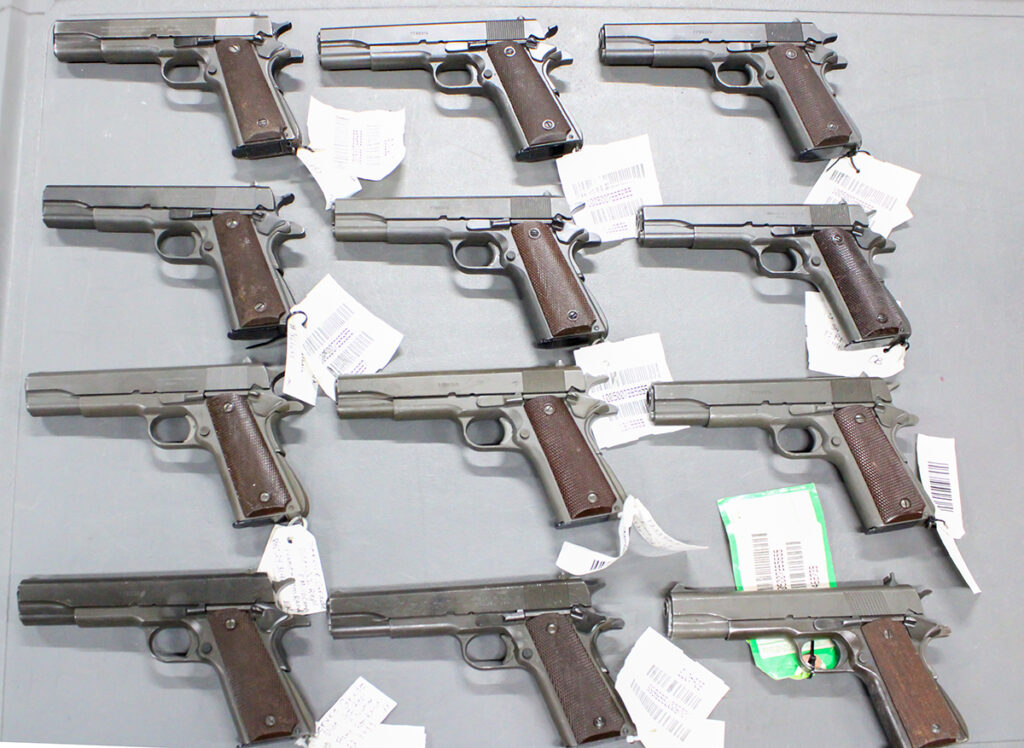
    cmp 1911s on table

    The CMP currently lists Service Grade pistols at $1,300, Field Grade at $1,200, and Rack Grade at $1,100. Pistols are inspected and test-fired before sale.

    The program offers collectors access to genuine U.S. military-issued firearms, although the CMP notes that approximately 98% of the pistols received from the Army contain mixed components.

  • Two Firearms History Books Coming in November

    Two Firearms History Books Coming in November

    Two new books arriving in November 2026 promise fresh perspectives on American firearms history. One examines Confederate gunpowder production during the Civil War. The other documents New Hampshire’s gunsmiths and firearms retailers across two centuries.

    Both titles offer collectors and historians opportunities to explore lesser-known aspects of American arms development.

    The Indispensable Man: George Washington Rains, the Confederate Powder Works, and the Civil War You Never Knew

    The Indispensable Man: George Washington Rains

    Historian Theodore P. Savas examines the extraordinary career of George Washington Rains, whose work helped sustain the Confederate war effort.

    A West Point graduate, Rains served as an engineer, inventor, educator, and military officer. His most significant contribution came through his efforts to secure gunpowder for the Confederacy.

    In 1861, Confederate leaders faced an enormous challenge. Their armies needed ammunition, but the South lacked the manufacturing infrastructure necessary to support a prolonged war.

    Rains helped address that shortage through industrial development, procurement, and the establishment of Confederate powder production capabilities.

    Savas also examines Rains’s lesser-known activities in the Western Theater during the war’s opening year. His research draws on nearly four decades of work with primary sources, including previously unpublished material.

    The 768-page volume includes 55 images, additional photographs, and 13 maps. The book promises to connect firearms manufacturing, military logistics, and broader Confederate strategy in a single narrative.

    New Hampshire Guns and Gunmakers: Of the 18th and 19th Centuries

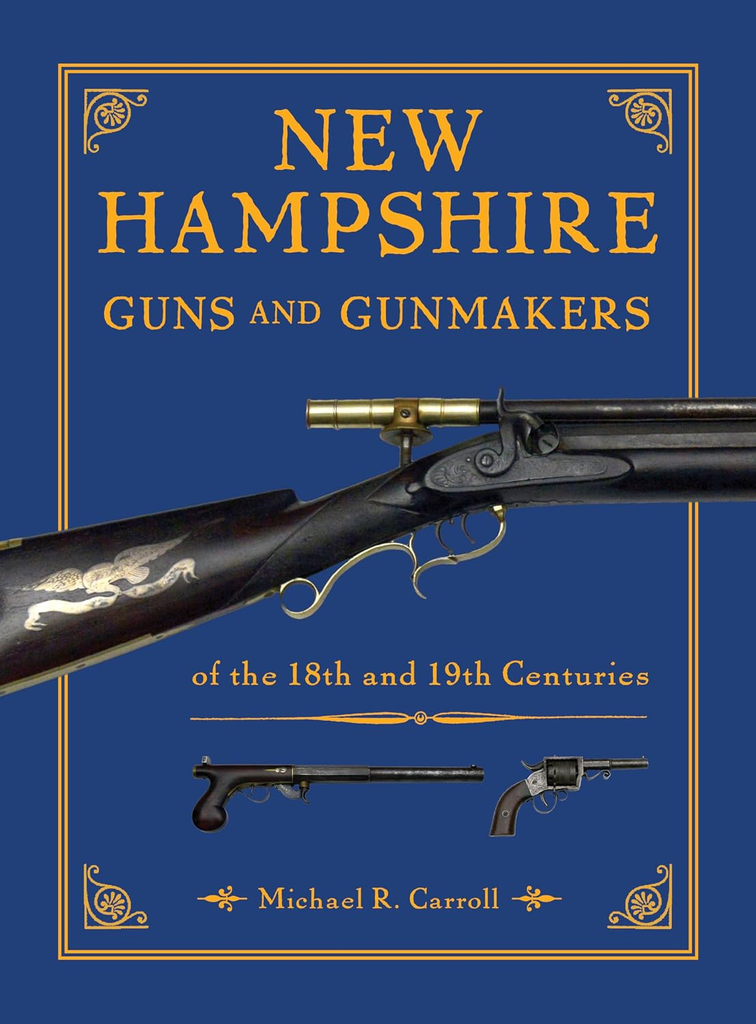
    New Hampshire guns and gunmakers

    Author Michael R. Carroll explores the gunsmiths, manufacturers, and retailers who shaped New Hampshire’s firearms history.

    The book covers the period surrounding the American Revolution through the aftermath of the Civil War.

    Unlike larger manufacturers, many New Hampshire gunmakers operated small shops employing only a handful of workers. Their businesses often combined firearms production with unrelated trades and services.

    Among the craftsmen featured is David Hall Hilliard, who reportedly produced approximately 3,000 firearms over 35 years. Hilliard also manufactured cabinets and stoves, repaired carriages, and operated other businesses from his family farm.

    Carroll organizes his research alphabetically by gunsmith and retailer. Individual entries combine biographical information, historical context, and descriptions of surviving firearms.

    The 384-page reference features approximately 950 photographs, including detailed images of more than 100 antique pistols and long guns.

    Carroll brings more than 50 years of antique firearms collecting experience to the project. He has also contributed research to the journal of the American Society of Arms Collectors.

    For collectors specializing in regional American arms, the book promises an especially useful reference for identifying makers and researching surviving examples.

    New, well-written gun books are always a welcome addition to the library, even if the bookshelves are straining under the weight.

    The Indispensible Man and New Hampshire Guns and Gunmakers are currently available for preorder by clicking their titles above, with publication scheduled for November 26 and November 28, respectively.

  • Rare Palmetto Armory Pistol Highlights Alderfer’s October Firearms Auction

    Rare Palmetto Armory Pistol Highlights Alderfer’s October Firearms Auction

    Alderfer Auction will offer a diverse selection of antique and modern firearms during its October 27 online auction. The sale includes several notable 19th-century military arms, including a scarce Palmetto Armory Model 1842 percussion pistol.

    The Hatfield, Pennsylvania, auction house opened bidding on October 9. Online bidding closes on October 27, beginning at 10 a.m. Eastern.

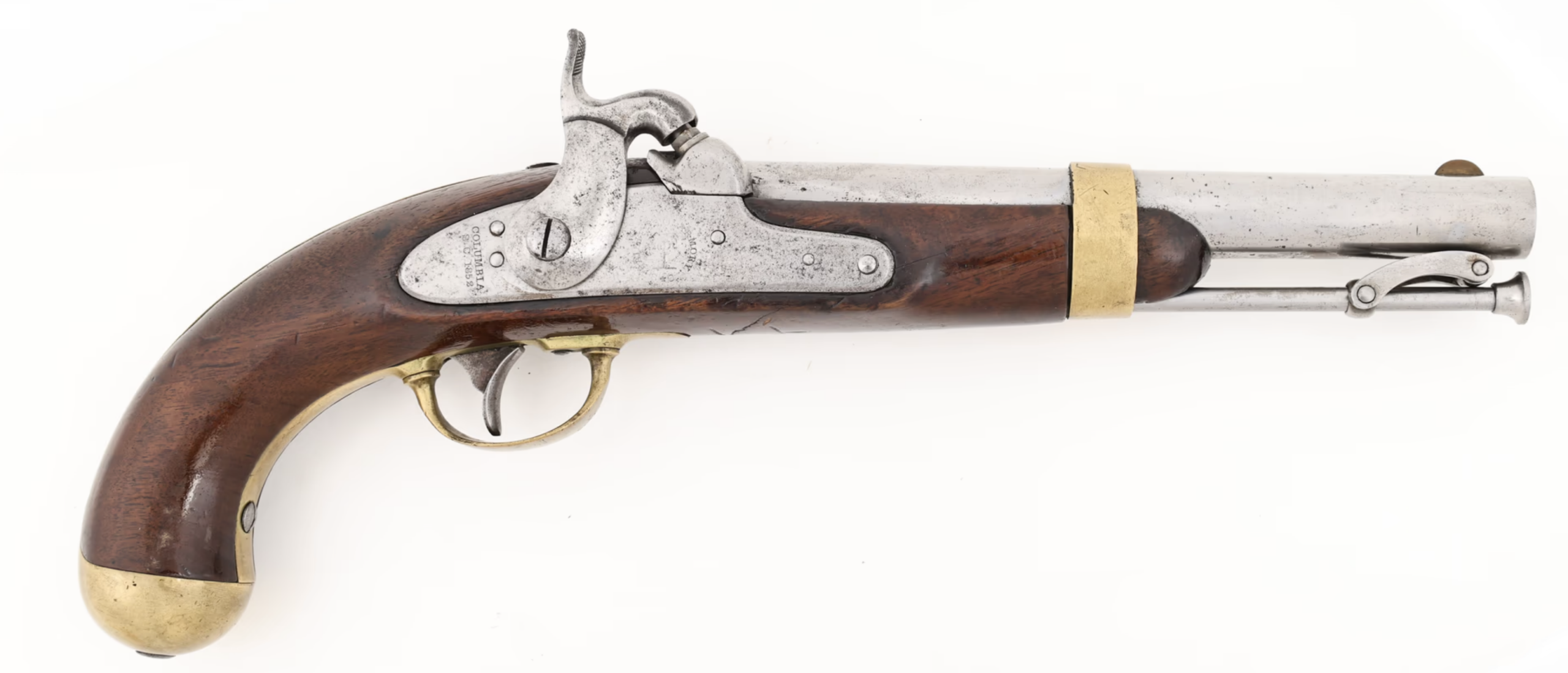
    Among the historical highlights is a Model 1842 percussion pistol manufactured by William Glaze’s Palmetto Armory in South Carolina. These pistols represent an unusual chapter in American military arms production before the Civil War.

    William Glaze operated the Palmetto Armory in Columbia, South Carolina, during the early 1850s. His operation produced military firearms under a contract with the state, including percussion pistols and muskets.

    The Palmetto Armory pistol attracts particular interest because of its limited production and distinctive place in American firearms history. Its historical significance also makes surviving examples desirable among collectors of antebellum military arms. This particular example has been heavily cleaned, but it’s still worth noting due to the model’s rarity.

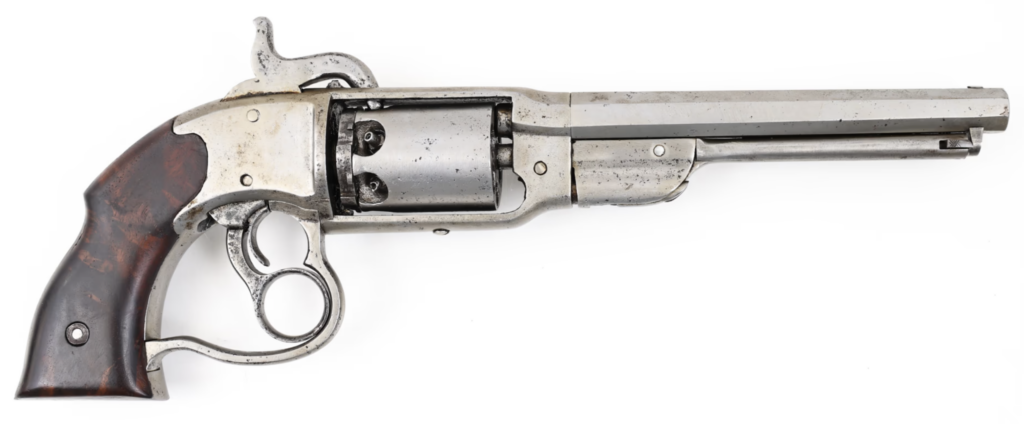
    savage pistol

    Another featured lot is an antique Savage Revolving Firearms Company Navy percussion revolver. Savage produced these distinctive revolvers during the Civil War era. This is example is well-worn, but it’s an honest gun.

    The revolver’s unconventional design distinguishes it from contemporary Colt and Remington revolvers. Its unusual operating mechanism gives collectors an interesting alternative to more familiar Civil War handguns.

    The auction also includes a Richardson & Overman Gallager carbine. It represents the transition toward breechloading military firearms during the American Civil War.

    Collectors can review the online catalog and place bids through Alderfer’s website.

    The October sale offers opportunities across several collecting specialties, from early military percussion arms to modern sporting firearms.

  • CMP to Receive 2,000+ Military Shotguns

    CMP to Receive 2,000+ Military Shotguns

    The Civilian Marksmanship Program (CMP) is preparing to receive 2,027 surplus military shotguns from the U.S. Army, including hundreds of historic Winchester Model 1897s.

    The transfer follows passage of the Fiscal Year 2026 National Defense Authorization Act (NDAA). The legislation expanded the CMP’s authority to receive and sell surplus military pump-action shotguns to eligible civilians.

    cmp logos

    According to the CMP, the Army has identified 1,589 Mossberg Model 500 pump-action shotguns and 438 Winchester Model 1897 pump-action shotguns for transfer.

    The Winchester Model 1897 will likely generate considerable interest among military firearms collectors. Designed by John Moses Browning, the shotgun gained fame during World War I. Military versions, particularly trench guns, have become highly desirable collectibles – though the extent of their actual use in the trenches has come under scrutiny in recent years.

    The Mossberg 500 represents a more modern chapter in American military shotgun history. Introduced in 1961, the design has served in various military and security roles for decades. All told, more than 12 million have been produced; obviously, most have been for the civilian market.

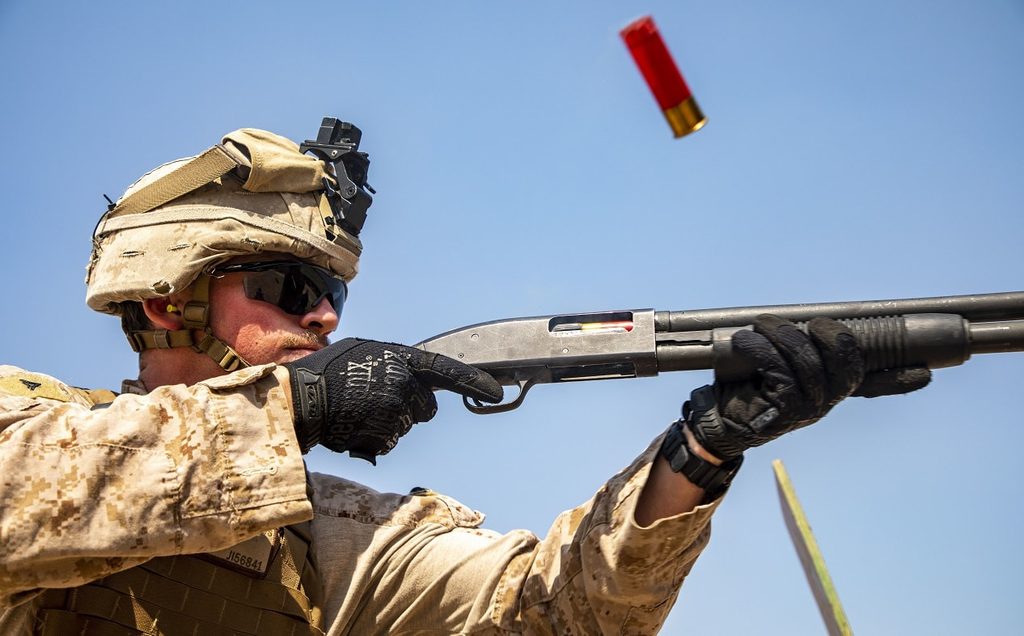
    USMC firing Mossberg 500
    A U.S. Marine with 2nd Battalion, 7th Marines, assigned to the Special Purpose Marine Air-Ground Task Force-Crisis Response-Central Command (SPMAGTF-CR-CC) 19.2, cycles a Mossberg shotgun at the Baghdad Embassy Compound in Iraq, May 8, 2020. (U.S. Marine Corps Photo by Cpl. Brendan Custer)

    The CMP is coordinating with Army officials to finalize transfer requirements and establish inspection, restoration, and sales procedures. Pricing, individual firearm conditions, and specific sales dates have not yet been announced.

    However, prospective buyers should temper their expectations.

    The legislation authorizes only a one-time transfer of surplus shotguns from the Army, Navy, and Air Force. It does not establish an ongoing supply of military shotguns for future CMP sales.

    Additionally, the 438 Winchester Model 1897 shotguns represent a relatively small quantity compared to anticipated collector demand.

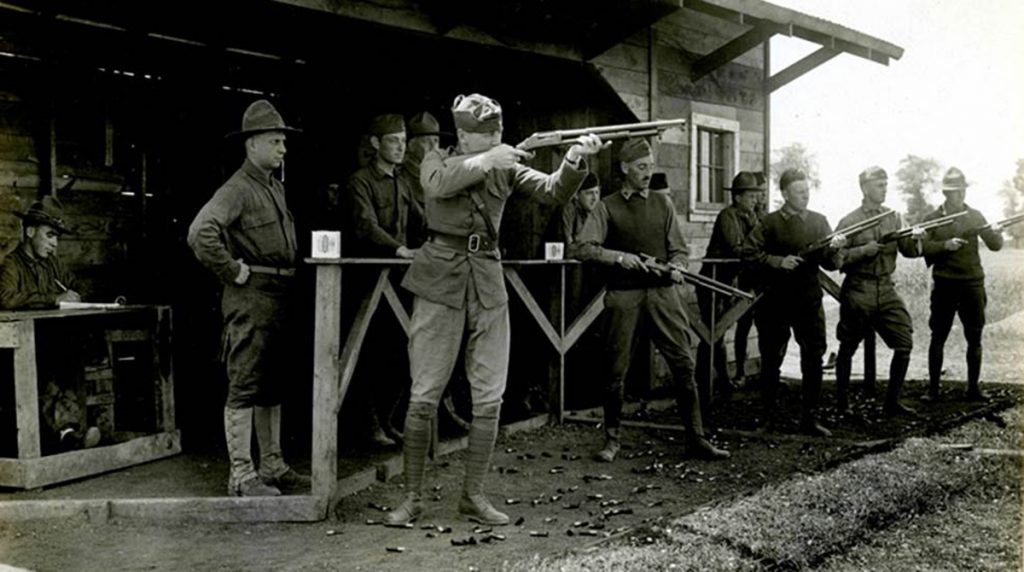
    WWI soldiers firing shotguns
    Soldiers practicing with Winchester Model 1897 shotguns during World War I.

    Individual configurations, originality, markings, and overall condition will play important roles in determining collector interest and potential market values.

    For collectors, the announcement represents a rare opportunity to acquire historic military shotguns through the CMP. It also raises questions about how these firearms will be graded, priced, and distributed once sales begin.

  • Ruger’s Production Halt and Collectors

    Ruger’s Production Halt and Collectors

    Ruger has announced sweeping changes to its firearms lineup, suspending or ending production of numerous longstanding models. The decision affects some of the company’s most recognizable revolvers, pistols, and rifles.

    While the changes reflect Ruger’s evolving business strategy, they also carry significant implications for firearms collectors and the secondary market.

    Ruger immediately suspended production of its LCR, SP101, GP100, and Bearcat revolvers.

    Additional models will complete their final production runs by the end of 2026. These include the Blackhawk, Super Blackhawk, Vaquero, Redhawk, Super Redhawk, and Single-Series revolvers. The SR1911 pistol, No. 1 single-shot rifle, 77-Series rifles, Hawkeye, Ruger Precision Rifle, and several pistol-caliber carbines also face production changes.

    Ruger emphasized that these decisions do not necessarily represent permanent discontinuations. The company may eventually reintroduce some product families with updated designs and manufacturing methods.

    For collectors, the most significant developments involve Ruger’s traditional revolvers and sporting rifles.

    The Blackhawk, introduced in 1955, helped establish Ruger’s reputation for durable, affordable single-action revolvers in centerfire calibers. The No. 1, introduced in the 1960s, developed a dedicated following among enthusiasts of traditional single-shot rifles.

    ruger logo

    Both platforms have extensive histories spanning numerous configurations, calibers, and special editions.

    Their removal from regular production could generate renewed interest in discontinued variations, particularly those already considered scarce or desirable.

    However, discontinuation alone does not guarantee increased collector value.

    Production numbers, condition, originality, configuration, and existing collector demand remain the primary factors determining market prices.

    Common examples produced in large quantities may see little appreciation. For example, more than two million Blackhawk revolvers have been made in the last seven decades.

    Limited-production variations, unusual chamberings, and exceptionally preserved examples could attract greater attention.

    The distinction between discontinued designs and discontinued generations also matters. Ruger has explicitly left the door open for future versions of these firearms.

    If updated models eventually return, collectors may distinguish original-production examples from their modern replacements.

    Ruger’s decision also creates an opportunity to examine the company’s place in the collector market.

    For decades, Ruger firearms have occupied an interesting position between practical sporting guns and dedicated collectibles.

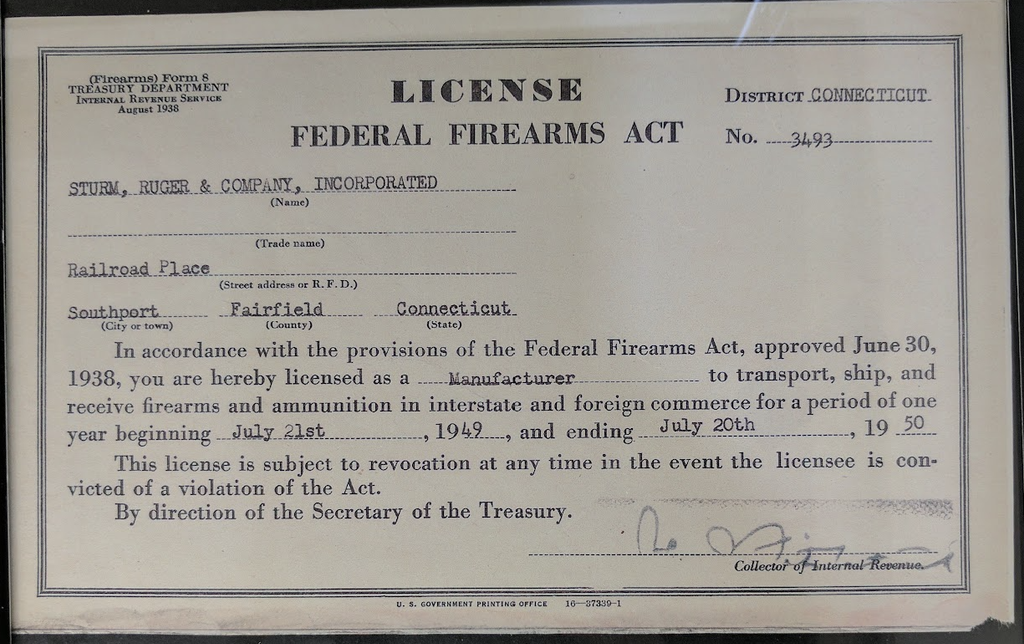
    ruger's first ffl
    Ruger’s first FFL, issued July 21, 1949

    Models like the Bearcat, Blackhawk, and No. 1 have established collector followings. Meanwhile, special editions, limited chamberings, and distributor exclusives have created specialized collecting niches.

    The latest announcement could expand interest in these areas as enthusiasts reconsider the historical significance of the outgoing models.

    Collectors should document serial numbers, original configurations, factory packaging, and accompanying paperwork. Such details can prove especially important when distinguishing uncommon variations from standard-production firearms.

    Ultimately, Ruger’s announcement represents a significant turning point in the company’s manufacturing history. While nothing has been said officially, plenty of speculation as to why this is happening how seems to coincide with Beretta’s interest in acquiring 25% of the company.

    Whether it also becomes a turning point in Ruger collecting will depend on future production decisions and the secondary market’s response.

    For now, collectors have a new reason to watch Ruger prices, production announcements, and upcoming auctions closely.

  • New Book to Showcase Rare Winchester Factory Drawings from Cody Firearms Museum

    New Book to Showcase Rare Winchester Factory Drawings from Cody Firearms Museum

    Helios House Press and the Cody Firearms Museum have launched a Kickstarter campaign for a new book exploring Winchester’s manufacturing history.

    Titled Drawing Fire: Drawings from the Winchester Collection, the book will showcase original engineering drawings from the museum’s extensive archives. The publication will give collectors and researchers access to historic documents rarely seen by the public.

    The Cody Firearms Museum and McCracken Research Library preserve approximately 30,000 drawings from Winchester’s engineering archives. These documents span the 1880s through the 1940s and reveal how the company designed and manufactured its firearms.

    The collection includes everything from individual screws and mechanical components to complete firearms, manufacturing equipment, and factory buildings. Some firearms have extensive surviving documentation that traces their development from initial concepts to finished products.

    Among the featured firearms are the Winchester Model 1895 and M1 Garand. The book will also explore lesser-known firearms, experimental designs, prototypes, and the machinery used in Winchester’s manufacturing operations.

    drawing fire book

    The drawings offer an unusual perspective on Winchester’s history. While collectors typically focus on finished firearms, these records reveal the engineering decisions and manufacturing processes behind them.

    Many drawings survive on oversized drafting sheets. Their dimensions allowed engineers to illustrate intricate components while maintaining the proportions and details necessary for manufacturing.

    However, those same dimensions present challenges for preservation, exhibition, and publication. Their size and fragility make displaying the original documents difficult.

    Drawing Fire aims to overcome those limitations through a large-format hardcover book with landscape-oriented pages. The publisher plans to use Smyth-sewn binding to accommodate the oversized illustrations.

    drawing fire book

    The publication will combine archival drawings with original photography and explanatory text from Cody Firearms Museum and Helios House staff.

    The project builds on an existing relationship between the museum and publisher. Previous collaborations include Ink & Iron: Winchester Printing Blocks in the Cody Firearms Museum Collection and Primary & Secondary: Unravelling Firearms Mysteries Through Documentary Evidence.

    For Winchester collectors, the book promises more than attractive illustrations. Factory drawings can provide valuable evidence about design changes, experimental features, and manufacturing practices that finished firearms cannot always reveal.

    The Kickstarter campaign launched September 21, 2026, and continues to seek financial support for production. Interested collectors can review the project’s sample pages, available rewards, and funding progress through the campaign.

    Additional information is available through the Drawing Fire Kickstarter campaign.

  • Surplus Beretta 84 BB & M1934 Pistols Available

    Surplus Beretta 84 BB & M1934 Pistols Available

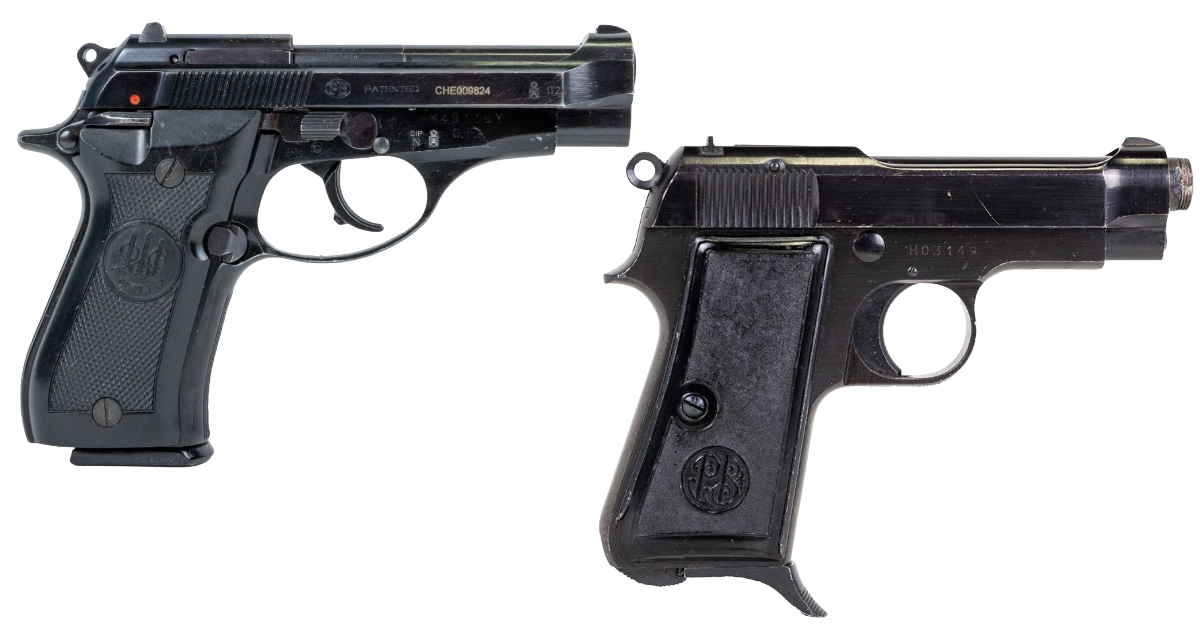
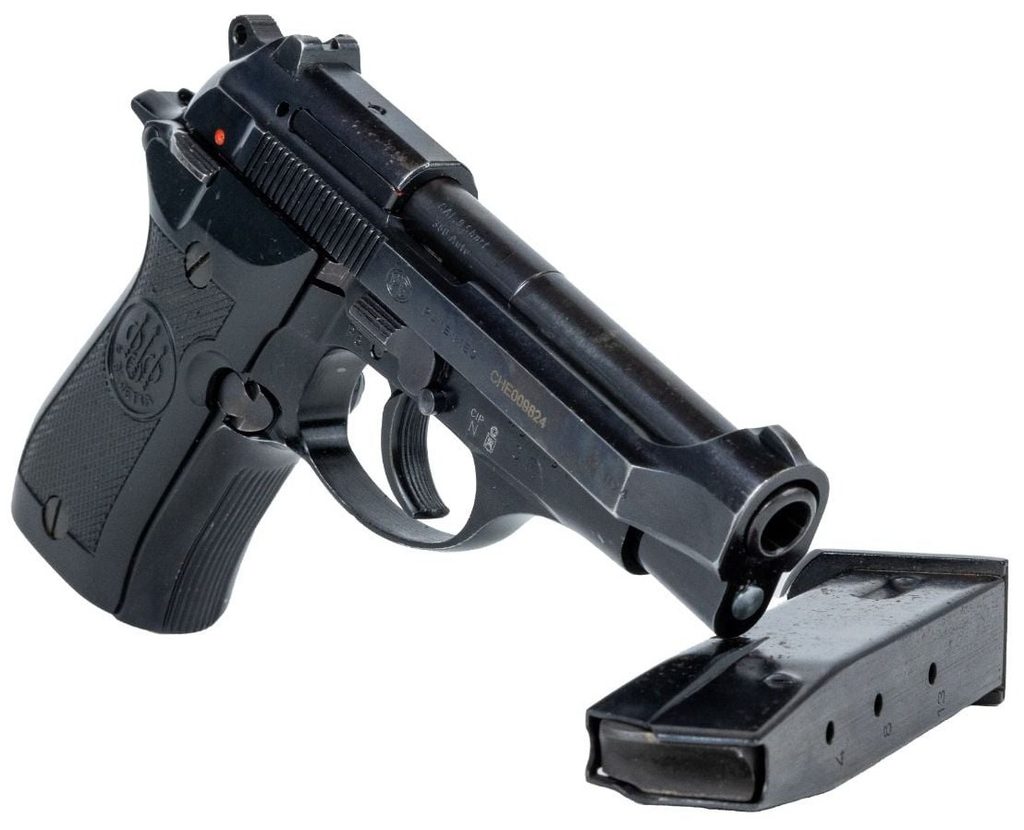
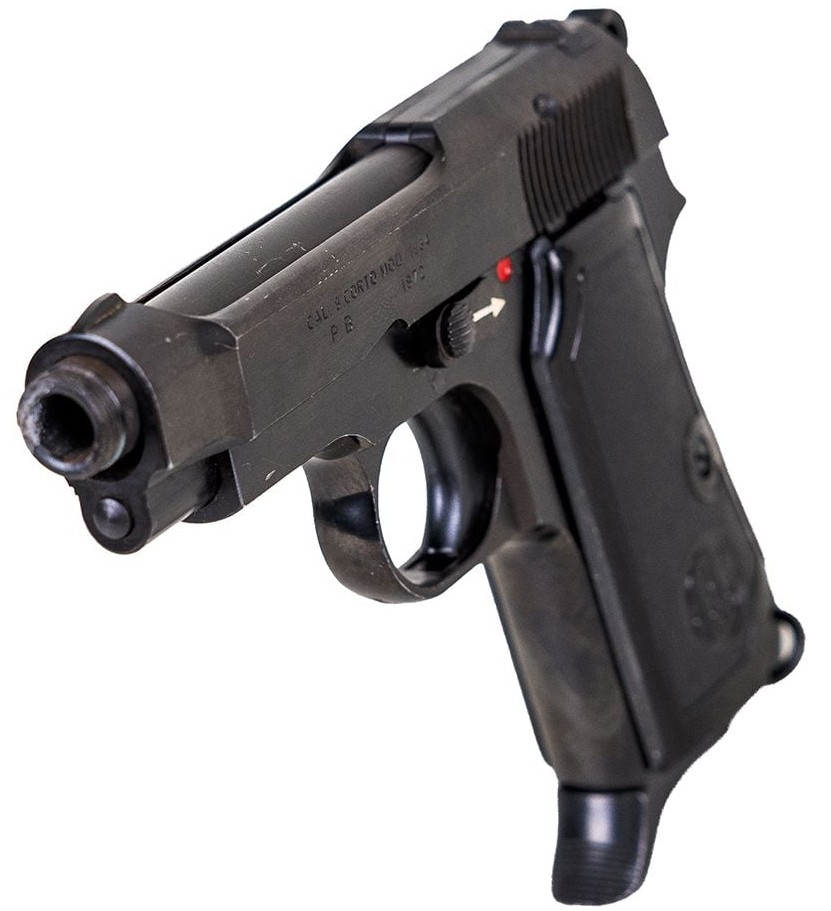
    Previously in use by Italian law enforcement departments, a large grouping of Beretta 84 BB and Beretta M1934 pistols are available to collectors right now.

    People tend to think that the era of affordable surplus guns is long gone. That’s simply not the case; they still exist, but they’re not what they used to be. Mosins and SKSs for $300 or less are indeed a thing of the past, but sub-$300 surplus guns can still be had.

    Beretta 84 BB
    Beretta 84 BB

    Case in point: Beretta 84 BB and Beretta M1934 pistols are both available at the time of writing for less than $300 and less than $200. The 84 BB pistols are just $279.99 and the M1934 pistols are only $179.99!

    As former law enforcement guns, they’re not safe queens. Then again, neither were the Mosins or SKSs people were buying out of 55-gallon drums in the early ’90s. So, take it for what it is.

    If you’re looking for surplus guns at affordable prices, here they are. You can pick up one of each of these guns for $459.98 – probably less than $500 all said and done depending on your state taxes and transfer fees.

    Beretta M1934
    Beretta M1934

    A lot of people kick themselves for passing on the cheap Mosins and SKSs. Don’t let that be the case with the Beretta 84 BB and M1934 pistols.

    Get them here: Beretta 84 BB and Beretta M1934. When you show them off to your friends, be sure to tell them that you heard about it on The Collector’s Wire.

  • Rigby Offers ‘Golden Ticket’ Experience to Five Lucky Winners

    Rigby Offers ‘Golden Ticket’ Experience to Five Lucky Winners

    Move over, Charlie Bucket! We’re not talking about golden tickets to Willy Wonka’s Chocolate Factory. Nope – this is infinitely better! It’s an opportunity to enter the historic world of John Rigby & Co.

    To celebrate their relocation to a new spot in London, the 251-year-old company has announced five Rigby Golden Tickets. Each entitles the winner and their guest to join a money-can’t-buy experience in May 2027.

    Winners will explore Rigby’s workshops, archives, museum, spend time with gunmakers and engravers, shoot Rigby rifles, and enjoy five nights at The Windmill.

    rigby highland stalker
    Rigby Highland Stalker

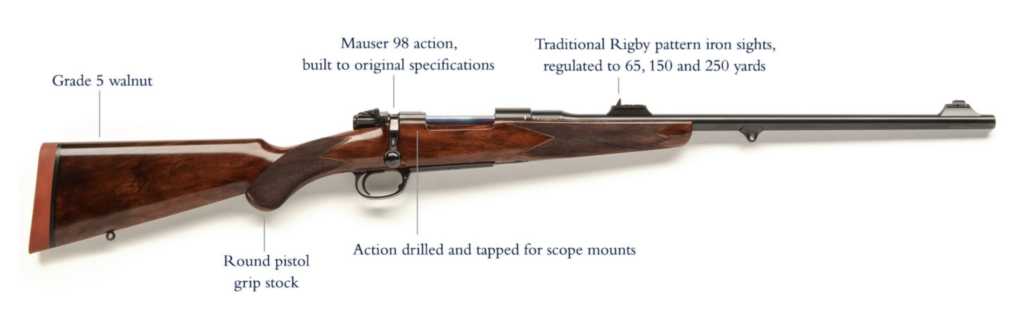
    You can get a chance at winning by purchasing a new Highland Stalker or Big Game rifle between now and March 31, 2027. You’ll receive one of 400 sealed promotional envelopes. Five contain Golden Tickets; all others contain a blue ticket and a 10% Rigby Shikar Store voucher.

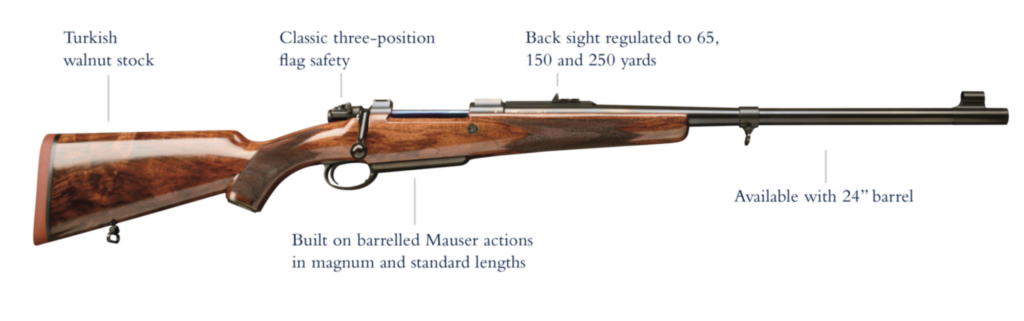
    rigby big game
    Rigby Big Game

    Before opening your envelope, make sure you start recording. You must film the sealed envelope being opened and the Golden Ticket being revealed.

    Rigby celebrated their 250th anniversary last year in 2025. While young compared to 500-year-old Beretta, Rigby has spend two and a half centuries cementing its legacy as one of England’s finest gunmakers.

    Not many people are lucky enough to find a Golden Ticket, and fewer still are lucky enough to find a Rigby one.

    Could one be yours? There’s only one way to find out, so you know what to do.

    Oh, and if one of the winners happens to be a Collector’s Wire reader, please consider me for your guest spot!

  • J.M. Davis Arms & Historical Museum Announces Major Unveiling for October 30

    J.M. Davis Arms & Historical Museum Announces Major Unveiling for October 30

    The J.M. Davis Arms & Historical Museum in Claremore, Oklahoma, is preparing to unveil a major new addition on October 30, 2026, as part of an ongoing effort to transform the visitor experience at one of America’s most significant firearms museums.

    The museum recently announced the upcoming reveal on Instagram, inviting visitors to see extensive changes to its galleries and exhibits. The announcement promises new artwork, historical displays, and stories exploring the American West and the people who shaped it.

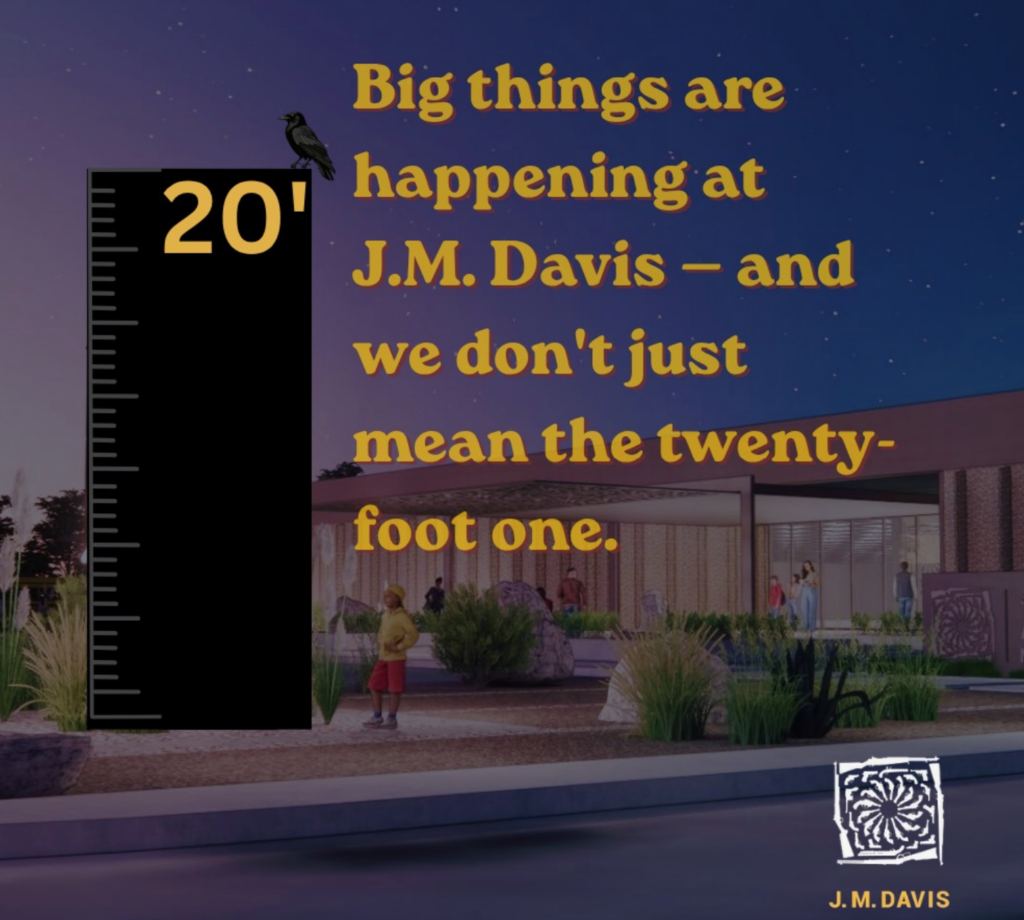
    The museum has dubbed the upcoming event the “Big Red Gun Unveiling,” although it has not yet publicly disclosed exactly what visitors can expect to see.

    The museum’s teaser from Instagram

    Home to the largest privately held firearms collection in the world, the museum houses more than 12,000 firearms and thousands of additional historical artifacts assembled by John Monroe Davis.

    The dedicated museum opened in 1969, preserving Davis’s collection for public education and historical interpretation.

    Despite its reputation as a firearms museum, the institution’s holdings extend far beyond guns. The collection includes Old West saddles and spurs, John Rogers statuary, Toby mugs, beer steins, World War I posters, and artifacts documenting the history of Claremore and Rogers County.

    Through multimedia exhibits, the museum presents these objects as part of a family-friendly journey through American history.

    The upcoming improvements promise to build upon that approach, introducing new artwork, historical displays, and expanded interpretation of the people and events associated with the American West.

    The Friends of the J.M. Davis Museum is hosting the October 30 unveiling at the museum, located at 330 North J.M. Davis Boulevard in Claremore.

    Tickets (get yours here) cost $20 for adults and $10 for attendees under 21. Admission includes food, beverages, music, and the unveiling itself. Additional donations to the museum’s supporting organization are also accepted.

    For firearms collectors and historians, the event offers an opportunity to revisit an extraordinary American collection while experiencing its evolving approach to historical interpretation.

    Additional details about the mysterious addition are expected to become clear when the museum holds its unveiling later this month.