Tag: America 250

  • Smithsonian Conserves Revolutionary War Gunboat Philadelphia and Its Armament

    Smithsonian Conserves Revolutionary War Gunboat Philadelphia and Its Armament

    The Smithsonian is undertaking a major conservation project on one of its most significant Revolutionary War military artifacts.

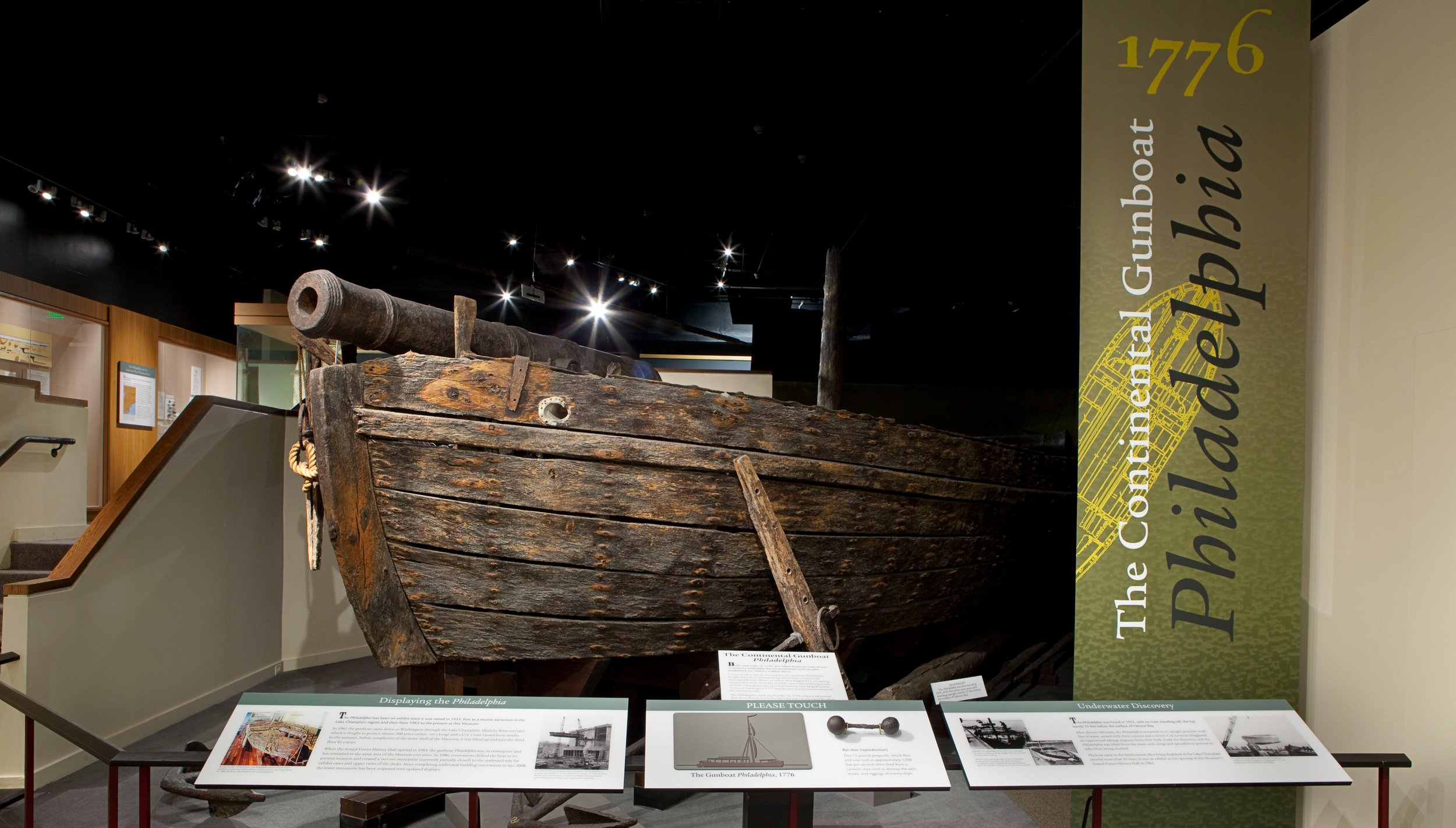
    The gunboat Philadelphia still carries physical evidence from the fighting that sank it on Lake Champlain in 1776. Its surviving cannon, iron fittings, hull, battle damage, and associated artifacts preserve an unusually complete record of an American warship in combat.

    Now the National Museum of American History is working to preserve that record for future generations.

    The Philadelphia fought at the Battle of Valcour Island on October 11, 1776. Brig. Gen. Benedict Arnold commanded the small American fleet against a larger British force advancing south from Canada.

    The Americans ultimately lost the battle. However, their resistance delayed the British advance and bought the Continental cause valuable time.

    The Philadelphia did not survive the engagement. A British 24-pound cannonball struck the vessel near its bow. The shot shattered planks and frames and caused rapid flooding. The gunboat sank shortly after nightfall.

    That projectile still survives with the vessel.
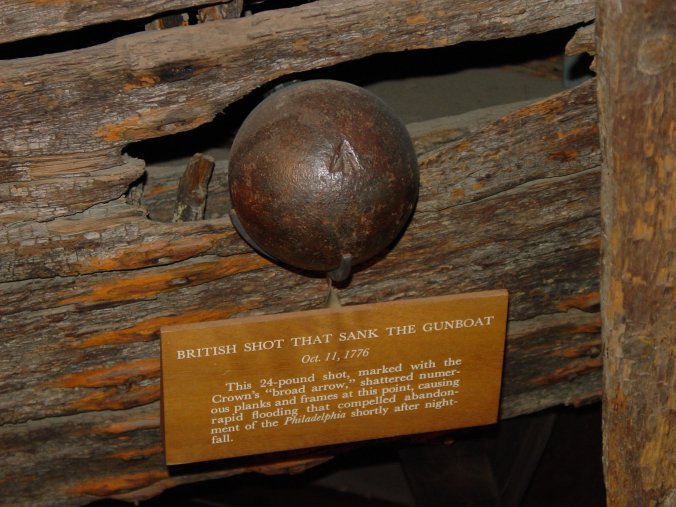
    gunboat cannonball

    The Smithsonian also preserves much of the Philadelphia’s original armament and equipment. The collection includes a Swedish-made 12-pound bow gun and a British 3/4-pound swivel gun. Conservation photographs also document a surviving 9-pound cannon aboard the vessel.

    Those guns make the Philadelphia especially important to arms historians. Collectors often encounter historic weapons after their original context has disappeared. A surviving firearm may lack documentation about where it served, who used it, or what happened around it.

    The Philadelphia presents almost the opposite situation. The vessel, its weapons, fittings, battle damage, and the projectile that sank it all remain tied to one documented event. Researchers can study those objects as parts of a complete military system rather than as isolated artifacts.

    The wreck remained underwater for nearly 160 years. Salvage engineer Lorenzo F. Hagglund recovered the Philadelphia from Lake Champlain in 1935. He displayed it around the region for more than two decades before the Smithsonian acquired the vessel.

    The museum eventually placed the gunboat on permanent exhibition. Decades of display created new preservation problems.

    The vessel’s wooden timbers continued to shrink after their long immersion. Its iron components also began to deteriorate. Conservators now monitor temperature, humidity, vibration, and other environmental factors that could affect the artifact.

    The Smithsonian has partnered with specialists from Texas A&M University’s Nautical Archaeology Program on the project. Their work includes the Philadelphia’s surviving artillery.
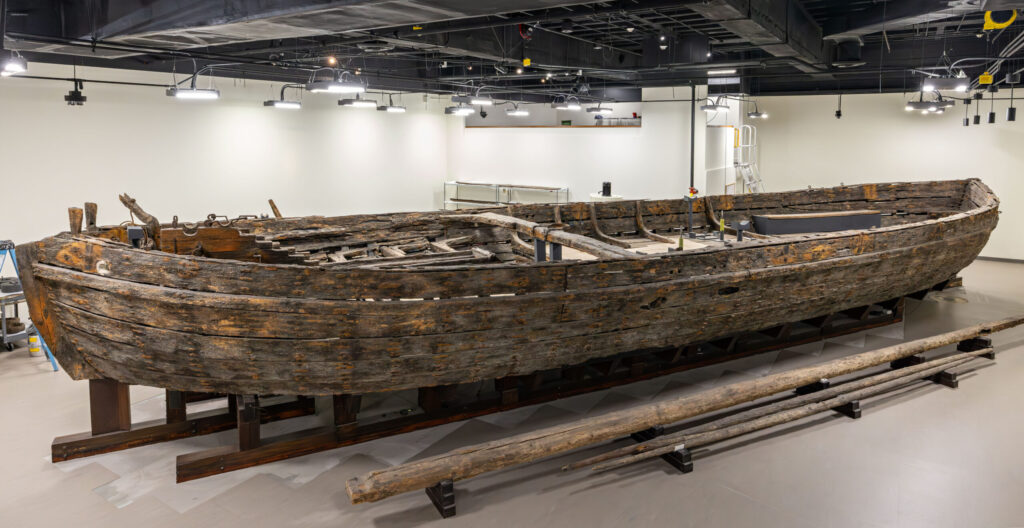
    gunboat conservation

    Conservators have removed old protective coatings from cannon, anchors, and other iron fittings. Earlier preservation efforts applied lacquer to slow corrosion. Modern specialists must remove those treatments before applying newer conservation materials.

    That process illustrates an important reality of museum work. A treatment considered appropriate decades ago may eventually create new challenges. Conservators must preserve the original object while also addressing the effects of previous restoration work.

    The project has produced less dramatic discoveries as well. Workers removed more than 150 pounds of sediment and accumulated debris from inside the vessel. They found rodent nests, trash, and coins dropped by museum visitors over the years.

    The museum has also made the conservation process part of the exhibition. Visitors can watch specialists work through viewing windows surrounding the Philadelphia. That gives the public unusual access to a part of museum operations normally hidden behind laboratory doors.

    The timing adds another layer of significance.

    On October 8, the National Museum of American History will mark the 250th anniversary of the Philadelphia’s sinking. Museum staff and Texas A&M specialists will discuss the conservation project and new research surrounding the vessel.

    The anniversary falls just three days before the actual 250th anniversary of the Battle of Valcour Island.

    For firearms collectors, the Philadelphia offers far more than a Revolutionary War anniversary story. It demonstrates the value of preserving arms with their original context intact. It also shows how museums confront corrosion, aging wood, earlier conservation treatments, and long-term environmental damage.

    A cannon standing alone can tell researchers a great deal, but a cannon preserved with its ship, associated equipment, battle damage, and the enemy projectile that sank it can tell them much more.

    That makes the Philadelphia an unusually complete surviving Revolutionary War weapons system.

    The Smithsonian is now working to make sure it remains that way for another generation.
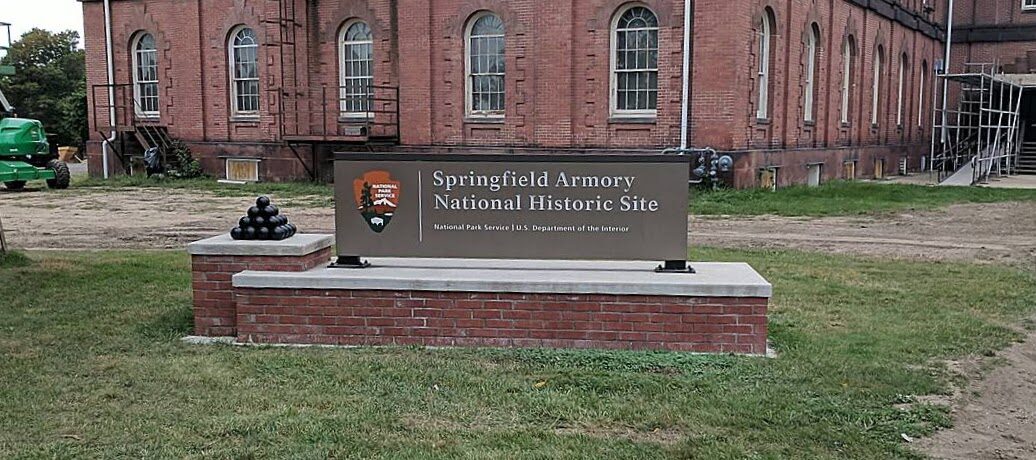
  • Springfield Armory’s ‘Muskets to Motors’ Traces 250 Years of American Innovation

    Springfield Armory’s ‘Muskets to Motors’ Traces 250 Years of American Innovation

    Springfield Armory National Historic Site will look beyond firearms later this month to tell a broader story of American manufacturing.

    The park will host “From Muskets to Motors: 250 Years of Innovation” on October 17 in Springfield, Massachusetts. The free car and motorcycle show runs from 11 a.m. to 2 p.m.

    The Friends of the Springfield Armory National Historic Site will partner with the National Park Service for the event. Organizers will display cars and motorcycles from several eras of American transportation. The cutoff date carries particular significance. All participating vehicles will date to 1968 or earlier, the year the U.S. Army closed Springfield Armory.

    That connection gives the event its “Muskets to Motors” theme. Springfield Armory spent nearly two centuries at the center of American military-arms development. George Washington supported Springfield as a Continental Army arsenal during the Revolutionary War. The federal government began manufacturing muskets there in 1794.

    The Armory eventually influenced much more than firearm design. Its workers and engineers helped develop manufacturing methods built around machinery, standardization, and interchangeable parts. Those developments influenced American industrial production far beyond the gun trade.

    Visitors can examine vehicles that represent different periods of transportation history. Organizers will also offer food and information vendors during the show. Spectator admission is free.

    The museum will remain part of the experience. Springfield Armory National Historic Site preserves one of the world’s major collections of military small arms. The collection began as a technical reference resource for the Armory’s own workers and engineers. Today, the National Park Service preserves firearms, archival material, artwork, archaeological collections, and other objects connected with the site.

    That makes the location especially appropriate for an event devoted to technological change. Visitors can move from machines designed to manufacture military arms to later machines that transformed American transportation. Both industries relied heavily on precision manufacturing, standardized components, and mass production.

    muskets to motors

    The event also fits into the site’s broader America 250 programming. Springfield Armory currently hosts a special exhibition on its Revolutionary War origins. The exhibit examines why Washington and Henry Knox selected Springfield for the Continental Army’s arsenal. It includes historic French muskets and a French cannon.

    Together, the exhibition and vehicle show bookend a long period of American industrial development.

    Springfield began as a strategic military site during the Revolution. It later became one of the country’s most important centers for firearms design and manufacturing. The Army finally closed the facility in 1968.

    The National Park Service reopened the historic armory as a national historic site in 1978. The museum now occupies the former Main Arsenal building.

    “From Muskets to Motors” takes place Saturday, October 17, from 11 a.m. to 2 p.m. Admission is free. Organizers have scheduled October 24 as the rain date.

  • Savannah Museum Puts 17 Revolutionary War Cannons on Display

    Savannah Museum Puts 17 Revolutionary War Cannons on Display

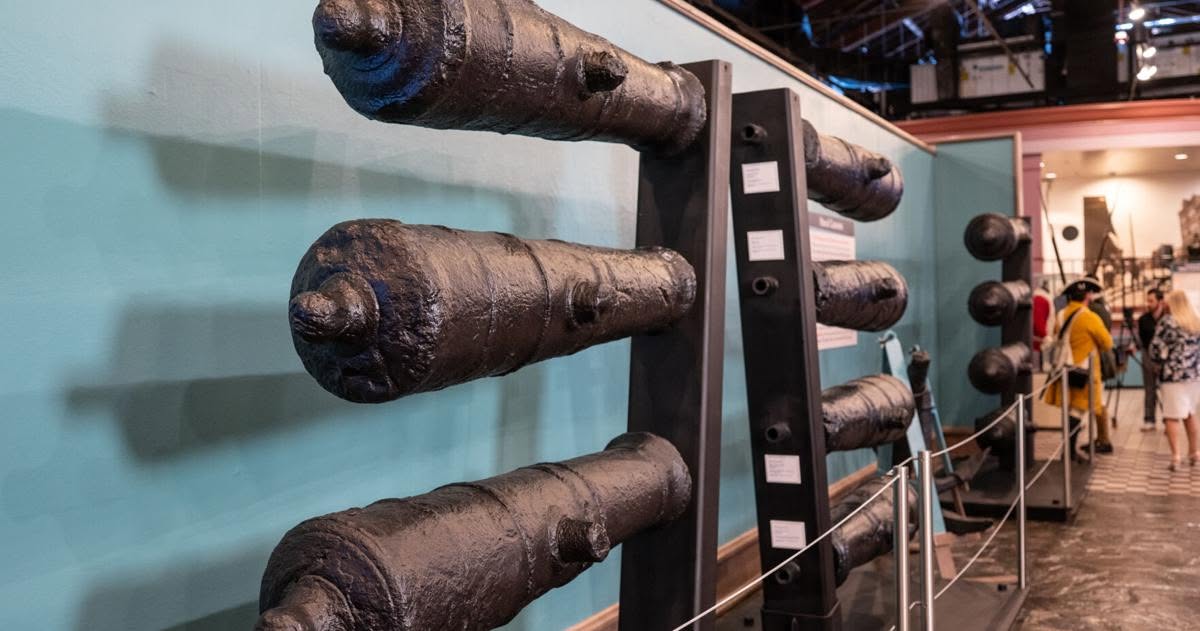
    Seventeen Revolutionary War-era cannons have returned to the surface in Savannah after spending nearly 250 years beneath the Savannah River.

    The Savannah History Museum placed the conserved guns on public display this summer in its new exhibition, Loyalists & Liberty: Savannah in the American Revolution. The exhibit opened as part of Savannah’s America 250 commemorations.

    Workers discovered the first cannon during dredging for the Savannah Harbor Expansion Project in 2021. Another dredge pass quickly uncovered two more. The U.S. Army Corps of Engineers then stopped work and brought archaeologists and divers into the area. The investigation eventually recovered complete and partial cannons along with other maritime artifacts.

    Researchers believe the weapons may have come from the HMS Savannah or HMS Venus. British forces scuttled ships in the river in 1779. They hoped to prevent French naval forces from reaching Savannah during the Revolutionary War.

    The September and October 1779 siege campaign ended with a disastrous Franco-American assault against British defenses. More than 800 men became casualties during the fighting around Savannah. The battle remains one of the Revolution’s bloodiest engagements.

    Conservators faced a different battle after recovering the artillery.

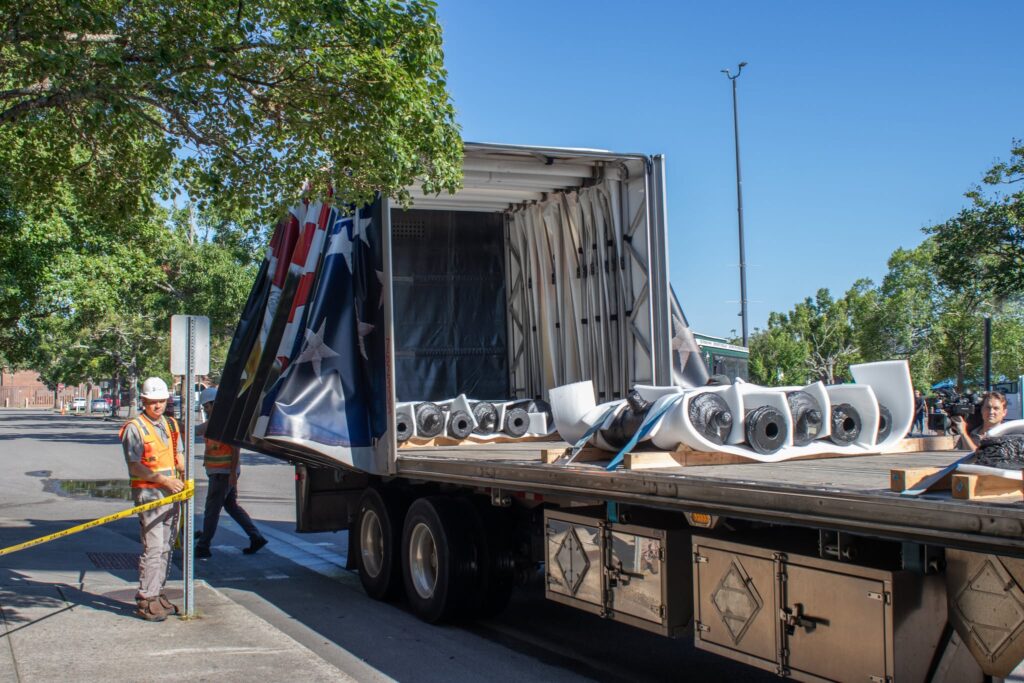
    Centuries underwater had saturated the iron with salts. Without extensive treatment, exposure to air could have caused rapid deterioration. Texas A&M University specialists conserved 17 of the guns before returning them to Georgia.

    cannons on truck

    The museum deliberately left two additional cannons in their recovered condition. Visitors can now compare conserved artifacts with guns that still show the effects of centuries underwater.

    The exhibition also includes three anchor fragments and other objects recovered from the river. The complete display covers approximately 3,000 square feet.

    Some of the cannons retained remarkable evidence from their final moments of use. Investigators found original wooden plugs in several pieces. Some also contained gunpowder and cannonballs when recovered. Those surviving materials give researchers unusually direct evidence about how the guns were stored before they entered the river.

    The precise identities of every cannon remain unsettled. Researchers have identified some as British-made pieces. Others follow French patterns that investigators have not yet tied to a specific vessel or military unit. That uncertainty leaves room for continued study.

    For collectors and arms historians, the discovery represents far more than a cache of old artillery.

    loyalists and liberty

    The guns survived together in an archaeological context connected to a specific Revolutionary War campaign. That context gives researchers something collectors rarely receive: physical objects, location, historical documentation, and associated artifacts preserved as parts of the same story.

    The Savannah History Museum currently displays the cannons as part of Loyalists & Liberty. The museum operates the exhibition seven days a week during normal hours.

  • Cody Firearms Museum Marks America 250 With ‘Arms of the Revolution’

    Cody Firearms Museum Marks America 250 With ‘Arms of the Revolution’

    The Cody Firearms Museum is marking America’s 250th with an exhibition built around the firearms that armed both sides of the American Revolution.

    Arms of the Revolution: America at 250, now open at the Cody Firearms Museum, brings together period firearms and projectiles. Some are from the museum’s collection and loans from Fort Ticonderoga and Minuteman National Historical Park. Some private collectors have also loaned their pieces to the exhibition.

    The exhibition focuses on the weapons themselves and what they can reveal about the conflict. Displays compare arms used by Patriot and Loyalist forces to show both sides of the conflict.

    Dramatic displays, including opposed muskets, an exploded-view firearm, and cutting-edge forensic analysis, reveal how arms shaped America’s fight for independence.

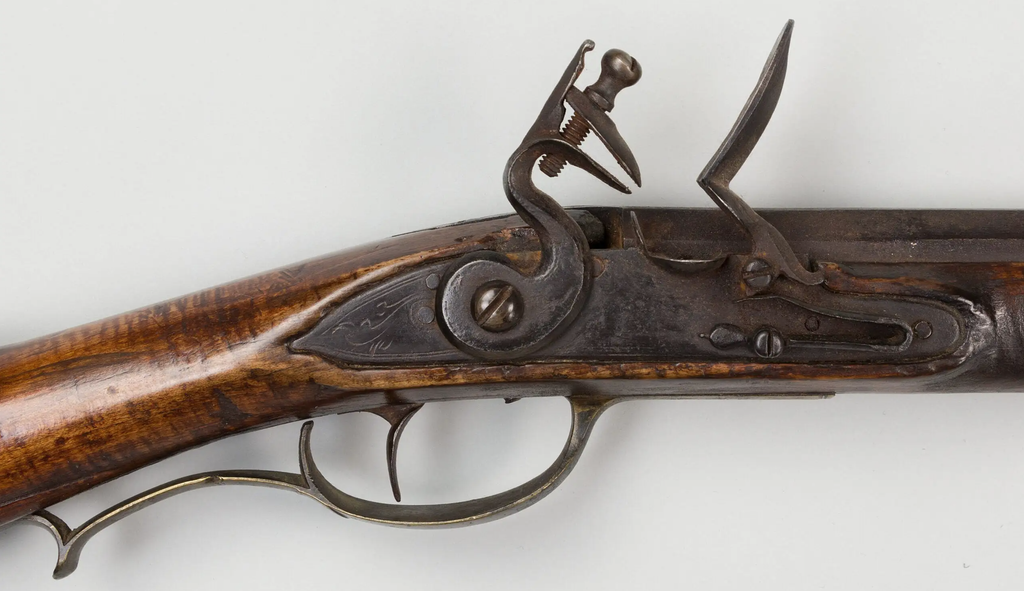
    American long rifle from Fort Ticonderoga, Ticonderoga, NY
    American long rifle from Fort Ticonderoga, Ticonderoga, NY

    Among the exhibited firearms are a Spanish musket, an American longrifle, a Wilson musket, and a Royal Artillery carbine. Several pieces are on loan from the Fort Ticonderoga Museum Collection.

    The museum also brought in firearms historians (and friends of TCW editor Logan Metesh) Erik Goldstein and Joel Bohy for programming during the opening.

    Goldstein is co-author of The Brown Bess: An Identification Guide and Illustrated Study of Britain’s Most Famous Musket. His book is a must-have for students of Revolutionary War-era firearms. Bohy co-authored Bullet Strikes From the First Day of the American Revolution. His book uses forensic evidence to examine the fighting along Battle Road in Massachusetts.

    For collectors, Arms of the Revolution offers something particularly valuable during the commemorations. It gives visitors the opportunity to examine original arms as historical evidence rather as illustrations of the broader story.

    The Cody Firearms Museum is part of the Buffalo Bill Center of the West in Cody, Wyoming. If you’ve not visited before, I highly recommend that you do so.