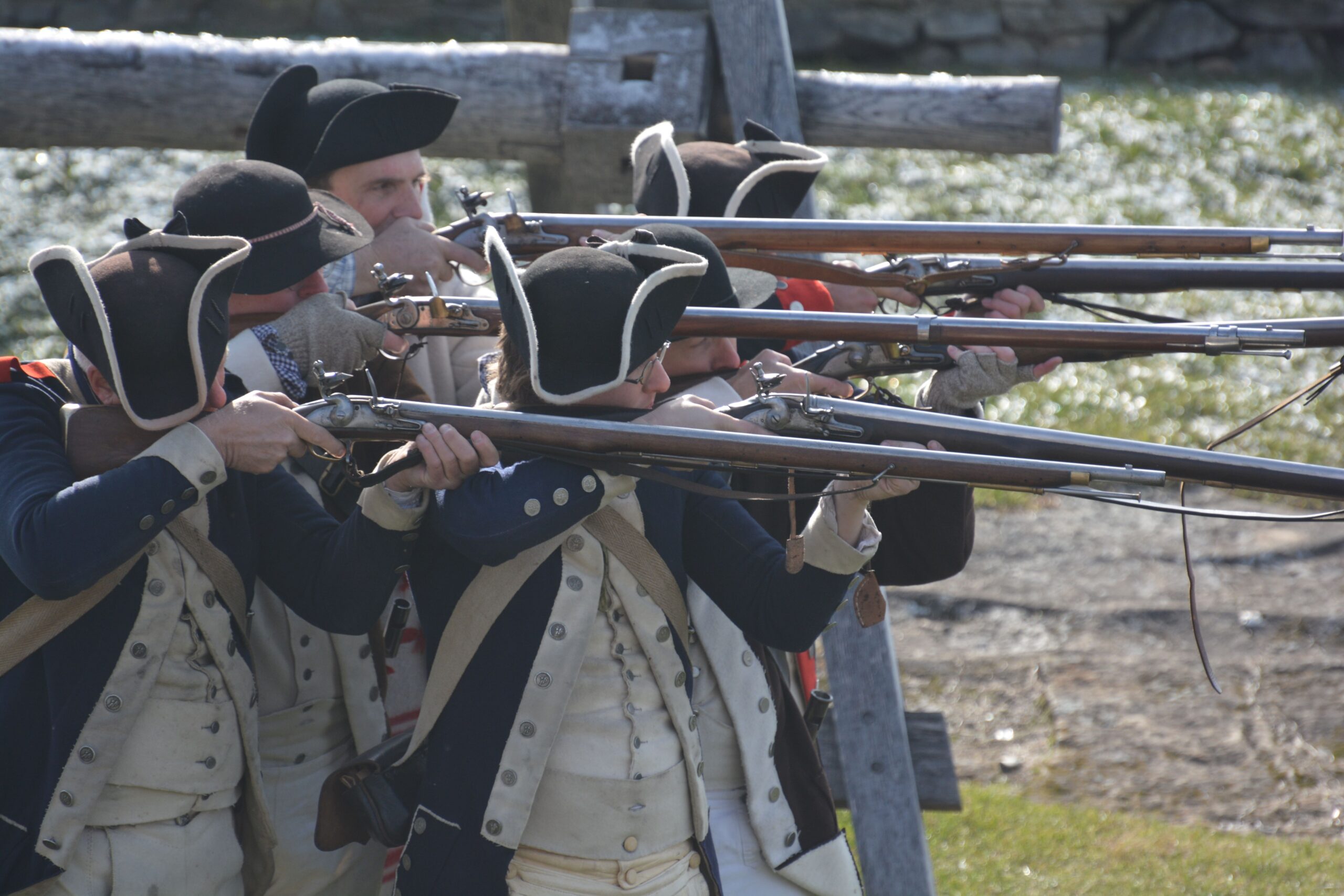
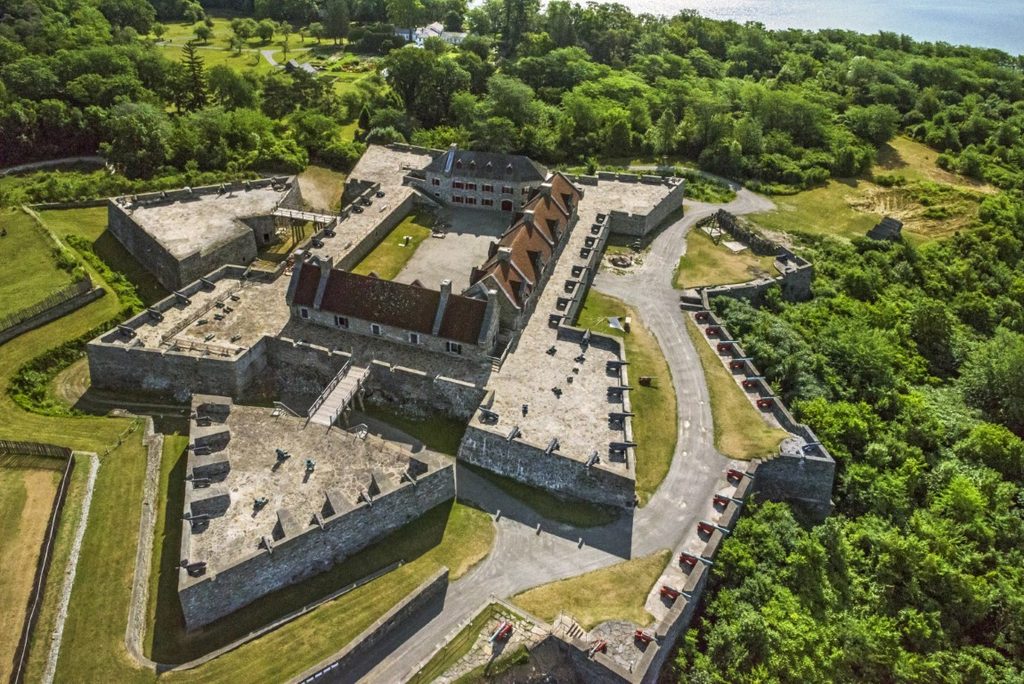
Fort Ticonderoga will revisit the American defense that helped halt Britain’s 1776 advance during Hold the Line for Liberty, October 24–25.
The two-day event in Ticonderoga, New York, combines reenactments, weapons interpretation, and museum tours during the campaign’s 250th anniversary. Programming will feature muskets, cannon, and gunboats.
The event commemorates the American stand of October 28, 1776. Nearly 13,000 Continental soldiers and militia defended Ticonderoga and Mount Independence after months of preparation. They constructed fortifications and mounted cannon to protect the Lake Champlain corridor. Following the fighting at Valcour Island, British forces confronted those defenses and an approaching winter. They ultimately withdrew north to Canada.
For collectors, the fort’s published equipment guidelines provide a useful look at how researchers reconstruct that army.
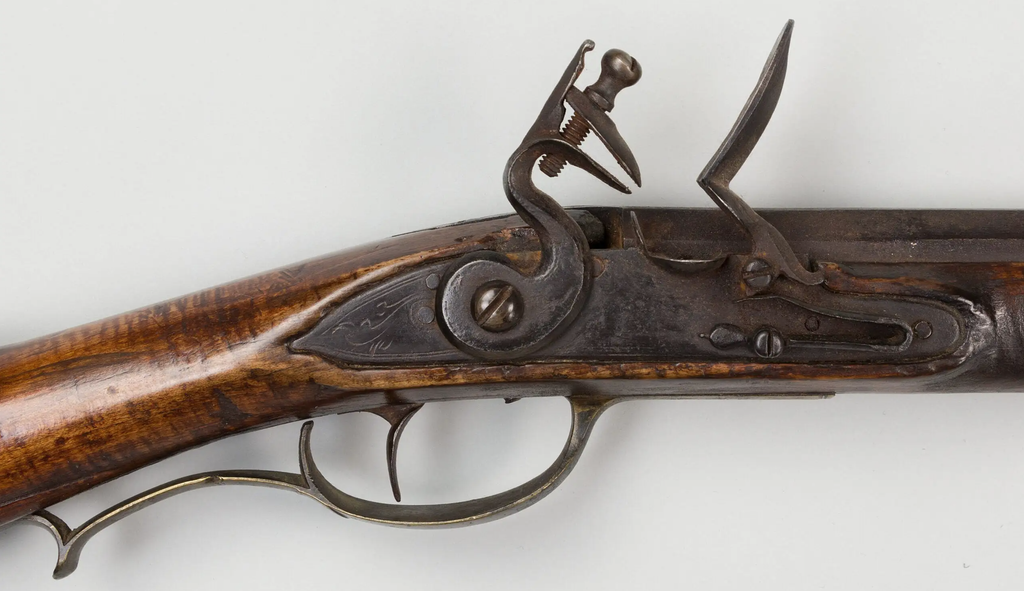
For example, the artillery guide favors older British, commercially made, and American-made muskets, alongside New England fowling pieces. It also lists acceptable alternatives and excludes later French musket models.
Historical documentation appears alongside those modern participation standards. The guide cites Captain Ebenezer Stevens’s March 1776 request for four carbines for his officers. It describes his company’s broader assortment of arms and accoutrements as likely resembling those carried by Massachusetts soldiers. That distinction separates a documented request from an inference about equipment.
Visitors can also examine physical evidence from the campaign. The exhibition Run Aground: Remnants from the Royal Savage features an original cannon carriage recovered from the American schooner’s wreck. Located in the Mars Education Center, the display connects visitors with a surviving object from the Battle of Valcour Island.
The Bullets & Blades exhibition offers a broader look at the museum’s firearms and edged weapons. Its displays explore their development and regional variations across the colonial and Revolutionary periods. Together, these collections give visitors opportunities to compare reconstructed equipment with original objects.
Saturday’s schedule includes an alarm scenario at 11 a.m. and an artillery-and-gunboat reenactment at 2 p.m. Sunday features a Lake Champlain channel reenactment at 11 a.m., followed by a British withdrawal scenario at 1 p.m.
Museum tours run at 11:30 a.m. and 2:30 p.m. both days. The fort opens from 9:30 a.m. to 5 p.m.; all times are Eastern.
Event programming is included with general admission, and tickets remain valid for two consecutive days.