The $160 million acquisition unites two historic American gunmakers, raising questions about Savage’s legacy, collector records, and discontinued models.
Smith & Wesson’s October 21 acquisition of Savage Arms made headlines throughout the firearms industry. The $160 million deal combines two of America’s oldest surviving gunmakers.
Of the $160 million, only $37.5 million was cash; the rest was in stocks. This is important to note because Savage was owned by JDH Capital, a private investment firm. With approximately 9 million shares of Smith & Wesson, JDH Capital is now the single-largest shareholder in the company. They also gained a seat on the Smith & Wesson board of directors, which now has seven members.
But beyond manufacturing capabilities and market share, the acquisition brings together more than 300 years of combined firearms history.
For collectors, that history raises questions that extend well beyond the company’s current product offerings.
Savage began manufacturing firearms in 1894 and introduced its Model 1899 lever-action rifle five years later. Renamed the Model 99, it became one of America’s most recognizable sporting rifles.
The company also produced the Model 1907 automatic pistol, Stevens firearms, and military arms during both world wars.
Savage acquired Stevens in 1920 and A.H. Fox Gun Company in 1930. These acquisitions brought additional historic names and manufacturing traditions into the Savage organization.
Now Savage itself has changed hands.
Smith & Wesson’s acquisition expands its presence in hunting and bolt-action rifles, particularly through Savage’s established Model 110 platform.
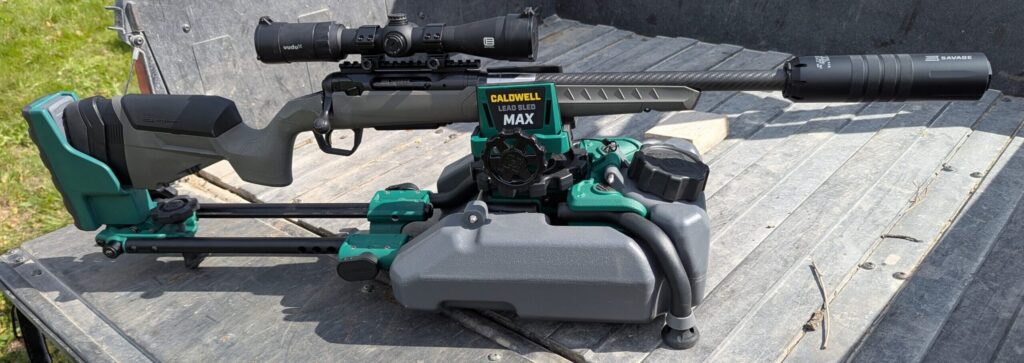
However, the company’s October 21 announcement offered no specific plans for reintroducing discontinued Savage models or expanding historical collector services.
That distinction matters.
Collectors may naturally wonder whether the acquisition could revive interest in classics like the Model 99. Yet a change in corporate ownership does not automatically make discontinued designs economically practical to manufacture.
The Model 99, for example, last appeared in Savage’s production timeline in 1998. [Ed. note: When I interviewed Savage CEO Chris Bezzina in 2025, he said the Model 99 would never come back due to production costs.]
Another important consideration involves the company’s historical records.
In July 2020, Savage transferred its historical firearms records to the Cody Firearms Museum at the Buffalo Bill Center of the West.
The museum assumed responsibility for preserving these materials and providing historical research services for collectors.
Consequently, the acquisition does not mean Smith & Wesson has suddenly acquired direct control of Savage’s historical factory records. (Smith & Wesson doesn’t even have its own historical factory records. They are part of the Smith & Wesson Historical Foundation.)
That separation is significant for collectors seeking factory documentation, original shipping information, or historical identification assistance.
Smith & Wesson maintains its own extensive collecting tradition, supported by generations of research into the company’s revolvers, pistols, and long guns.
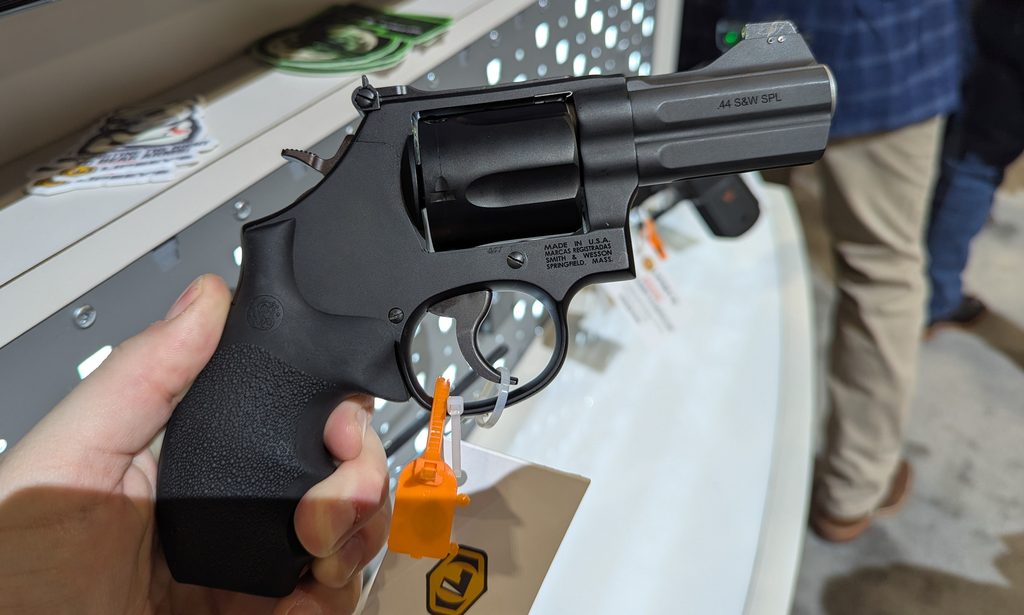
Whether the acquisition eventually creates opportunities for expanded historical services remains unknown.
The immediate transaction is primarily about combining manufacturing capabilities and strengthening Smith & Wesson’s position in the hunting market.
But Savage’s history encompasses considerably more than its current product catalog.
For collectors, the most important developments may involve how the new ownership approaches that heritage, preserves historical knowledge, and supports the firearms that established Savage’s reputation.
Whatever happens, Savage’s place in American firearms history remains unchanged by the ownership of the company whose name they bear, and we can only hope that a private investment firm now being S&W’s largest shareholder of stock and a member of their board doesn’t spell problems for them later.